Algeria Vs United Arab Emirates Flags: A Comparative Overview of National Symbols
National flags are powerful symbols that represent a country's identity, history, and values. When comparing the flags of Algeria and the United Arab Emirates (UAE), it becomes evident that while both are proud emblems of their respective nations, they differ significantly in design, symbolism, and cultural context. Understanding these differences can be essential for designers, educators, or anyone interested in international representation through visual media. This article explores the unique features of the Algeria vs United Arab Emirates flags, highlighting their distinct elements and how they reflect the heritage of each nation.
The Design and Symbolism of the Algeria Flag
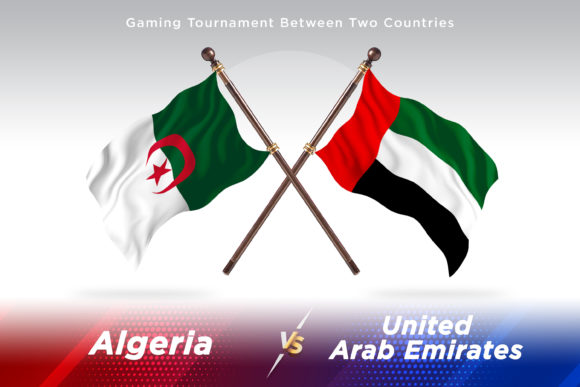
The national flag of Algeria consists of two vertical stripes—green on the left and white on the right—with a red star and crescent centered in the green stripe. Green symbolizes fertility, hope, and Islam, which is the predominant religion in the country. The white represents peace and purity, while the red star and crescent are traditional Islamic symbols associated with bravery and resilience. This design was officially adopted in 1962 following Algeria’s independence from France, making it one of the most enduring national symbols in modern North African history.
One of the most distinctive aspects of the Algeria flag is its deep historical roots. The star and crescent motif dates back to the Ottoman Empire and has been used by many Muslim-majority countries. However, the specific combination of colors and layout in the Algerian flag sets it apart from other regional flags, emphasizing its unique national character. The flag is often displayed during national celebrations and sporting events as a sign of unity and pride.
The Design and Symbolism of the UAE Flag
In contrast, the flag of the United Arab Emirates features a horizontal tricolor of three equal bands—red at the top, white in the middle, and green at the bottom—with a black vertical pan-Arab stripe on the hoist side. Each color holds symbolic meaning: red signifies courage, white represents honesty, green symbolizes prosperity and agriculture, and black stands for the country’s past. The black, white, and green colors are also part of the Pan-Arab color scheme, while the red band distinguishes the UAE from other Gulf nations.
The UAE flag reflects the country’s modern identity and its role within the broader Arab world. As a relatively young nation, having gained independence in 1971, the flag embodies the aspirations of its founding leaders and the unification of seven emirates into one federation. The inclusion of the Pan-Arab stripe acknowledges the UAE’s place within the Arab League and its shared heritage with neighboring countries.
Key Differences Between Algeria and UAE Flags
When analyzing the Algeria vs United Arab Emirates flags, several key distinctions emerge:
- Color Schemes: Algeria uses green, white, and red in a vertical arrangement, while the UAE employs red, white, green, and black in a horizontal layout with a vertical stripe.
- Symbols: The Algerian flag prominently features a red star and crescent, whereas the UAE flag does not include any such emblem but relies on its color symbolism.
- Cultural Significance: Both flags incorporate Islamic and Arab elements, but the Algeria flag emphasizes traditional motifs more directly, while the UAE flag highlights its modern federal structure.
- Historical Context: Algeria’s flag has a long-standing association with its struggle for independence, while the UAE’s flag marks the formation of a new nation state.
Strengths and Tradeoffs in Visual Representation
For graphic designers working on projects involving the Algeria vs United Arab Emirates flags, understanding the strengths and tradeoffs of each design is crucial. The Algeria flag offers a bold and easily recognizable silhouette due to its use of contrasting vertical stripes and prominent star and crescent. It works well in large-scale designs and high-visibility applications like banners or posters.
The UAE flag, with its balanced tricolor and Pan-Arab stripe, provides a clean and structured appearance. Its symmetry makes it ideal for digital presentations, logos, and layered design files where clarity and alignment are important. However, because the UAE flag lacks a central emblem, it may require additional design work to stand out in certain contexts compared to the Algeria flag.
Best-Fit Situations for Using These Flags
The Algeria vs United Arab Emirates flags can be effectively utilized in various scenarios depending on the message being conveyed:
- Geopolitical Comparisons: These flags are useful when discussing political alliances, economic partnerships, or diplomatic relations between the two countries.
- Event Branding: In international conferences or exhibitions featuring both nations, using the flags in a layered format helps maintain visual coherence and professionalism.
- Travel and Tourism Materials: The flags can serve as background illustrations in brochures, websites, or promotional materials to emphasize the destinations' cultural diversity.
- Education and Research: Teachers and researchers often use these flags in presentations to illustrate geographical knowledge or cultural studies.
Limitations and Considerations
While the Algeria vs United Arab Emirates flags are visually striking and rich in symbolism, there are limitations to consider. For example, the flags may not be suitable for minimalist or abstract design concepts due to their strong color presence and cultural significance. Additionally, the lack of an emblem in the UAE flag could lead to confusion if not accompanied by clear labeling or context.
Designers should also be mindful of cultural sensitivities when incorporating these flags into creative projects. Accurate representation is vital to avoid misinterpretation or offense. Using high-resolution assets such as PSD files with smart objects allows for greater flexibility and ensures that the flags remain respectful and correctly scaled in all formats.
Choosing the Right Format for Your Project
If you're considering using the Algeria vs United Arab Emirates flags in your next project, choosing the appropriate file format is essential. A PSD file with layers and smart objects gives designers full control over the placement and styling of each flag. This is especially useful when creating mockups, infographics, or presentations that require customization.
A JPEG file is best suited for print or web-based projects that do not require editing, offering a compressed yet high-quality image. Meanwhile, a PNG file is ideal for transparent backgrounds or when layer separation is not necessary but sharp visuals are still required.
Well-organized layers ensure that each flag remains isolated and editable without affecting the others. This feature is particularly beneficial for users who want to create variations of the illustration or integrate it into larger compositions seamlessly.
Practical Examples of Usage
Here are some practical examples where the Algeria vs United Arab Emirates flags might be used:
- World Map Infographics: When illustrating global connections, the flags can be placed alongside their corresponding regions to add depth and clarity.
- Political Reports: Analysts may use the flags to highlight comparative data about governance, economy, or foreign policy between the two nations.
- Corporate Presentations: Companies engaging in cross-border ventures with either Algeria or the UAE can include the flags to reinforce their commitment to international collaboration.
- Educational Materials: Teachers preparing lessons on Middle Eastern geography or culture can utilize these flags as visual aids to enhance student engagement.
Alternatives and Additional Options
While the Algeria vs United Arab Emirates flags are excellent choices for many design and educational purposes, there may be situations where other flags or visual representations are more appropriate. For instance, if the focus is on the broader Arab world, the Pan-Arab flag or the Arab League emblem could offer a more inclusive perspective.
Additionally, when designing for multiple countries, it's helpful to have a comprehensive set of official country flags available. If the Algeria vs United Arab Emirates flags alone don’t meet your needs, you can request further additions to expand the collection. Having access to a wide range of flags ensures accuracy and relevance across diverse audiences and topics.
How to Incorporate These Flags Effectively
To make the most of the Algeria vs United Arab Emirates flags in your work, consider the following tips:
- Layer Organization: Keep the flags on separate layers so they can be individually adjusted for size, position, and effects.
- Proper Scaling: Ensure the flags are proportionally scaled to maintain their integrity and readability in different resolutions.
- Contextual Use: Pair the flags with relevant text or icons to provide additional context and avoid ambiguity.
- Smart Objects: Utilize smart objects within the PSD file to edit the flags non-destructively, preserving quality even after resizing or applying filters.
Conclusion and Decision Factors
When evaluating the Algeria vs United Arab Emirates flags, it's important to consider the purpose, audience, and medium of your project. The Algeria flag, with its bold colors and central emblem, is often chosen for its strong visual impact and deep cultural symbolism. The UAE flag, on the other hand, is preferred for its clean lines and connection to the wider Arab community.
Ultimately, the choice between these flags depends on the message you wish to convey. Whether you're designing a presentation, creating educational content, or developing marketing materials, selecting the right flag—or using both in a comparison—can greatly enhance your work. By leveraging high-quality design assets and maintaining a respectful approach to national symbols, you can ensure your final product is both informative and professional.