Andorra Versus Pakistan: A Comparative Illustration of Two National Flags
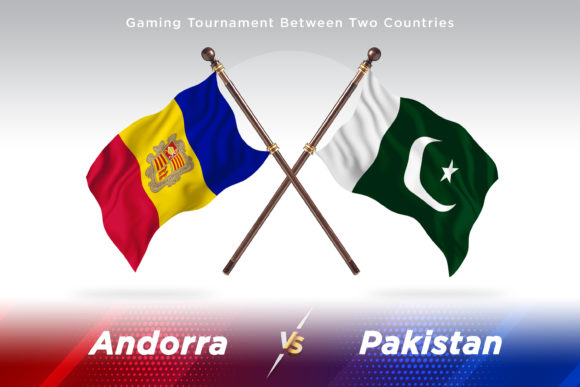
National flags serve as powerful symbols of identity, history, and sovereignty. They represent the values, culture, and spirit of a country to both its citizens and the world at large. In this article, we will explore the concept of “Andorra versus Pakistan: Two Flags” through an illustrative lens. This idea is often used in design projects, such as digital art, marketing materials, or educational presentations, to highlight the visual and symbolic differences between two distinct nations.
The Concept of "Two Flags" Illustrations
A “Two Flags” illustration typically involves placing the official national flags of two countries side by side or in some contrasting arrangement to emphasize their unique characteristics. These illustrations are commonly used for various purposes including:
- Comparative studies in geography or politics
- Marketing and branding for international businesses
- Design templates for websites, presentations, or print media
- Cultural awareness campaigns
In the case of Andorra versus Pakistan, the illustration offers a compelling way to visually differentiate these two countries based on their flag designs. Understanding the symbolism behind each flag can enhance appreciation for the cultural and historical narratives they convey.
Understanding the Official Flag of Andorra
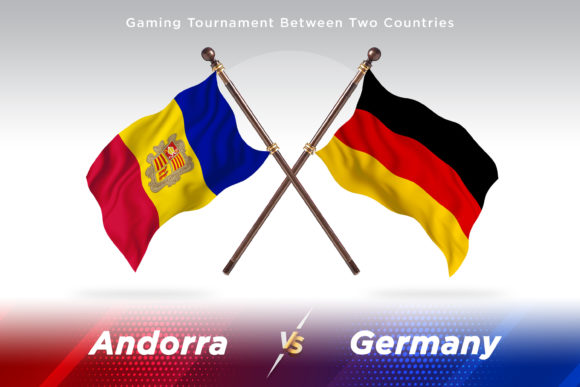
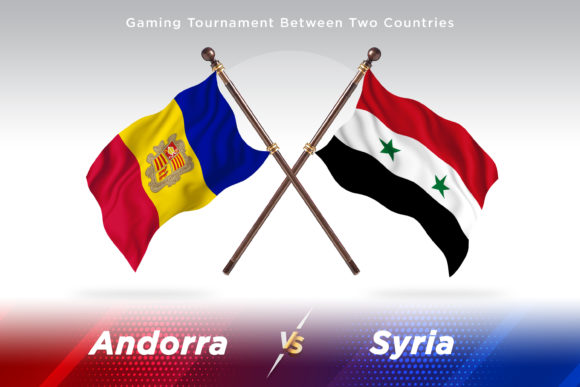
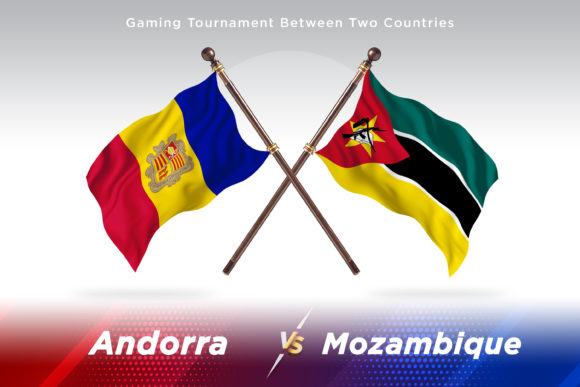
The flag of Andorra is a simple yet elegant design that reflects the country's dual patronage and long-standing traditions. It consists of three horizontal stripes — blue, yellow, and red — with a diagonal cross (the Escut de la Unitat) superimposed over them. The cross symbolizes the unity of the two patrons of Andorra: the Bishop of Urgell (Catalonia) and the President of France.
Symbolism Behind the Colors
- Blue: Represents the sky and the natural beauty of Andorra’s mountainous terrain.
- Yellow: Symbolizes peace and prosperity.
- Red: Reflects courage and the blood of those who fought for the nation’s independence.
The diagonal cross, known as the Cross of Saint George, is also present in the French flag and is associated with protection and chivalry. The coat of arms within the cross showcases the rich heraldic tradition of the region.
Understanding the Official Flag of Pakistan
In stark contrast, the flag of Pakistan features bold vertical colors and a prominent white crescent and star. The design was officially adopted in 1947 when Pakistan gained independence from British colonial rule. The flag is divided into two parts: a dark green field with a white crescent and star in the center, and a vertical white stripe on the hoist side.
Symbolism Behind the Design
- Green: Represents growth, fertility, and the agricultural abundance of the country.
- White: Symbolizes peace, purity, and religious tolerance.
- Crescent and Star: These Islamic symbols signify progress and light, guiding the people of Pakistan toward enlightenment and development.
Pakistan’s flag is not only a symbol of national pride but also a reflection of its deep-rooted Islamic heritage and the aspirations of its diverse population.
Why Compare Andorra and Pakistan?
While Andorra and Pakistan differ greatly in terms of size, population, and geopolitical influence, comparing their flags can offer insight into how different cultures express their identities. Andorra, a small landlocked principality nestled in the Pyrenees Mountains, has a flag rooted in European medieval symbolism. On the other hand, Pakistan, a populous South Asian nation, uses its flag to communicate both modernity and tradition through Islamic iconography.
This comparison becomes even more meaningful when used in a 3D waving position illustration. Such visual representations allow designers to showcase flags dynamically, making it easier to grasp the aesthetic and symbolic contrasts between them.
Practical Uses of the Illustration
When you download an illustration like “Andorra versus Pakistan: Two Flags,” you receive a high-quality file (typically 4500 x 3000 pixels) in multiple formats such as PSD, JPEG, and PNG. Each flag is placed on its own isolated layer with the proper name labeled clearly. This makes the design highly customizable and easy to edit using smart objects in Adobe Photoshop or similar tools.
Some common applications of this type of illustration include:
- Business Presentations: When discussing international markets or partnerships, having a clear visual representation of the countries involved can help audiences connect better with the content.
- Travel and Tourism: Use the flags to introduce travelers to the destinations they are visiting or planning to visit.
- Educational Materials: Teachers and educators can use these visuals to teach students about different countries, their histories, and cultures.
- Graphic Design Projects: Whether for a website, brochure, or social media post, the ability to customize the illustration gives designers flexibility and control.
How to Edit and Customize the Illustration
One of the most appealing aspects of the “Andorra versus Pakistan: Two Flags” illustration is its editability. Since it comes in a layered PSD file, you can modify the background, adjust the positioning of the flags, or even replace one of the flags with another if needed.
Here are some key features that make this illustration valuable for designers:
- Smart Objects: Allows non-destructive editing of the flags without compromising image quality.
- Well-Organized Layers: Ensures ease of navigation and manipulation within design software.
- High Resolution: At 4500 x 3000 px, the illustration is suitable for both digital and print use.
- Multiple File Formats: You get JPEG, PNG, and PSD files to suit different project needs.
If your design requires additional flags beyond Andorra and Pakistan, many designers offer custom options. Simply ask, and you can expand your illustration to include any other official country flags you need.
The Role of Flags in Modern Life
Flags play a crucial role in our daily lives, even if we don’t always notice them. From sports events where teams fly their national banners to corporate logos incorporating flag elements for global reach, flags have become integral to communication and identity.
Flags in Business and Branding
For businesses operating internationally, displaying the flags of partner countries in promotional materials helps establish trust and familiarity. For example, a travel company might use the flags of popular destinations in their advertisements to attract customers. Similarly, an NGO working across borders may include flags to demonstrate inclusivity and global collaboration.
Flags in Education and Research
In academic settings, flags are often used as visual aids during lessons on geography, history, or political science. Comparing flags like Andorra and Pakistan can be a fun and engaging way to teach students about different cultures and political systems.
Flags in Creative Industries
Designers, illustrators, and artists frequently use flags in their work to add depth and meaning. Whether it’s for a poster, infographic, or digital artwork, the presence of flags can evoke emotion, spark curiosity, and provide context.
Common Misconceptions About Country Flags
Despite their widespread use, there are several misconceptions about national flags that are worth clarifying:
- Misconception 1: All flags must be treated the same way. While there are general rules of respect, the specifics can vary depending on the country’s customs and laws.
- Misconception 2: The colors of a flag always mean the same thing. Though certain colors carry universal meanings (e.g., red for bravery), their significance can change based on local history and symbolism.
- Misconception 3: Flags are just decorative items. Far from it — flags are deeply symbolic and often carry legal status, especially when used in government or formal settings.
Creating Your Own "Two Flags" Illustration
If you're interested in creating your own version of the “Andorra versus Pakistan: Two Flags” illustration, here are some tips to get started:
- Choose High-Quality Images: Ensure that the flags are high-resolution and accurately represent the official versions of the countries involved.
- Use Isolated Backgrounds: This makes it easier to place the flags in different contexts or combine them with other design elements.
- Layer Them Separately: Keep each flag on its own layer so you can move, resize, or edit them individually.
- Add Smart Object Tags: This allows for scalable edits without distorting the original flag images.
- Label Clearly: Make sure each flag is properly identified, especially if the illustration will be used for educational or informational purposes.
Using design software like Adobe Photoshop, you can easily manipulate layers, apply effects like waving motion, and export the final product in various formats to meet your specific needs.
Expanding the Concept Beyond Two Flags
Although the focus here is on Andorra and Pakistan, the “Two Flags” concept can be extended to create illustrations featuring multiple countries. This is particularly useful when presenting data on international trade, diplomatic relations, or tourism statistics. By isolating each flag on its own layer, you maintain clarity and professionalism in your design.
Customization Possibilities
Many designers offer customization services for such illustrations. If your project involves other countries, you can request the addition of their official flags. This ensures that your visual content remains accurate and relevant, regardless of the scope of your design.
Conclusion
The “Andorra versus Pakistan: Two Flags” illustration is more than just a graphic; it is a tool for education, creativity, and communication. By understanding the symbolism behind each flag and how to effectively use and edit the illustration, you can leverage it in numerous ways — whether you’re a designer, educator, marketer, or simply someone fascinated by global cultures.
As the world becomes increasingly interconnected, the ability to visually represent and compare nations is more important than ever. Flags not only reflect the past and present of a country but also shape how it is perceived globally. With well-organized layers, smart object support, and high-resolution output, this illustration provides a foundation for impactful and informative design work.
Whether you're creating a presentation, designing a logo, or developing educational content, using official country flags in a thoughtful and respectful manner adds value and authenticity to your project. So next time you see a flag, take a moment to appreciate the story it tells — and consider how you might incorporate it into your own creative endeavors.