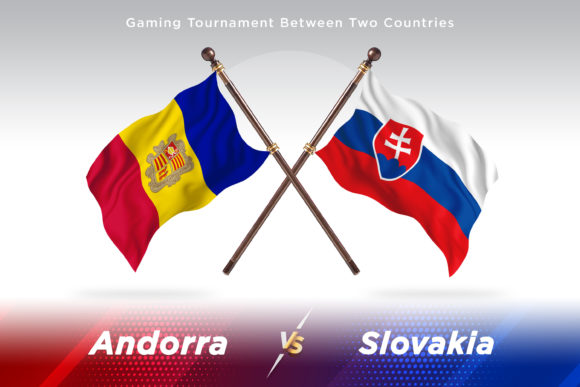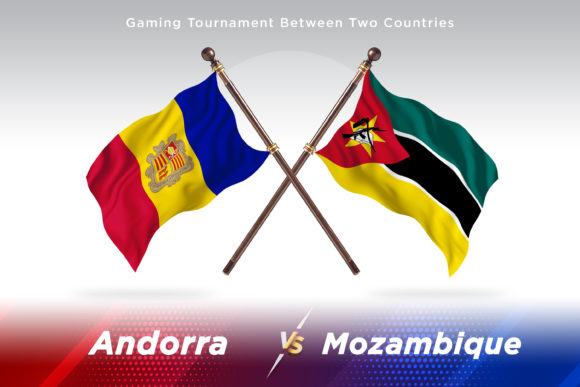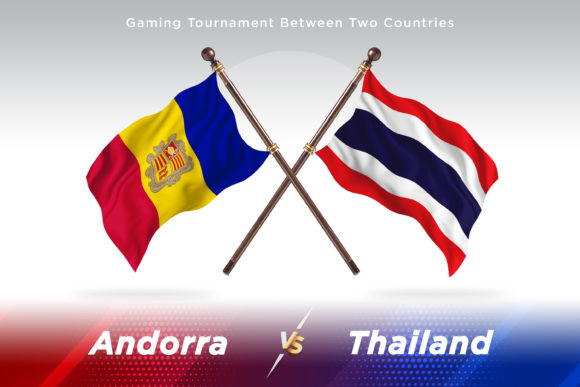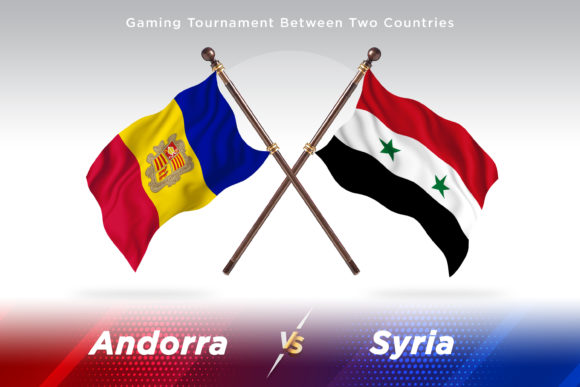
Andorra Versus Lithuania Two Flags: A Comparative Overview and Design Use Cases
The concept of Andorra Versus Lithuania Two Flags has gained traction in various design, educational, and cultural contexts. This term typically refers to a visual or symbolic representation where the official flags of Andorra and Lithuania are placed side by side for comparison, contrast, or thematic illustration. These designs are often used to highlight geographical, historical, or political distinctions between the two countries. In this article, we will explore what makes these flag comparisons unique, how they can be applied practically, and when they might be the right choice for your project.
What is Andorra Versus Lithuania Two Flags?
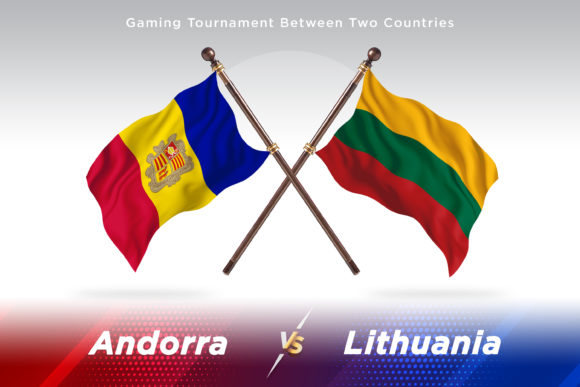
Andorra Versus Lithuania Two Flags is not just about placing two national symbols next to each other; it’s about creating a structured and meaningful visual narrative. The illustration usually features the official country flags of Andorra and Lithuania, rendered in high resolution and isolated on separate layers within a 3D waving format. This setup allows designers to manipulate each flag independently while maintaining clarity and professionalism in the final output.
The key elements of such an illustration include:
- High-resolution images (typically 4500 x 3000 px) ensuring scalability without loss of quality.
- Multiple file formats like PSD, JPEG, and PNG to suit different design needs.
- Smart objects in Photoshop, which enable easy customization of colors, dimensions, or background elements.
- Well-organized layers with clearly labeled components, including the names of the respective flags.
This type of resource is particularly useful for educators, graphic designers, and content creators who want to present information that involves both nations in a clear and visually appealing way.
Distinguishing Features of the Flags
To appreciate the value of the Andorra Versus Lithuania Two Flags illustration, it’s helpful to understand the flags themselves.
The Flag of Andorra
The flag of Andorra is a simple yet elegant design featuring three horizontal stripes—blue, yellow, and red—with a white triangle at the hoist side containing the Coa d’Andorra (the national coat of arms). The blue stripe symbolizes peace and justice, the yellow represents prosperity, and the red stands for courage. The coat of arms, positioned centrally, adds a layer of historical and cultural significance, making the flag instantly recognizable as a blend of tradition and modernity.
The Flag of Lithuania
In stark contrast, the Lithuanian flag consists of two equal horizontal bands—one green and one red. The green color reflects the country's forests and fields, while the red signifies resilience and valor. Unlike Andorra’s flag, the Lithuanian design lacks intricate symbols or emblems, offering a minimalist aesthetic that still carries deep national meaning.
When combined into a single illustration, these two flags provide a striking visual juxtaposition. Their differing structures and symbolism allow for rich interpretation and analysis, especially in academic or design-related discussions.
Comparative Uses and Applications
There are several practical use cases for the Andorra versus Lithuania Two Flags concept illustration. Here are some scenarios where this design can prove valuable:
- Educational Materials: Teachers and students working on geography, history, or political science projects can benefit from having a clean, scalable illustration of the two flags. It helps in comparing their origins, meanings, and usage in international settings.
- Graphic Design Projects: Whether you're designing a presentation, infographic, or promotional material involving both nations, having access to well-structured layers and smart object edits simplifies the process significantly.
- Cultural Comparisons: In articles or reports discussing European microstates or Baltic region dynamics, using the two flags in a “versus” layout can help visualize differences in culture, governance, or economic status.
- Branding and Identity Work: For businesses targeting audiences in both Andorra and Lithuania, a dual-flag illustration can serve as part of a branding toolkit, helping to emphasize inclusivity and regional relevance.
These illustrations are also beneficial because they avoid clutter. By isolating each flag on its own layer, users have more flexibility to integrate them into complex compositions without worrying about overlapping or misalignment.
Strengths and Tradeoffs of Using the Illustration
While the Andorra Versus Lithuania Two Flags illustration offers many advantages, it's important to consider its strengths and limitations before choosing it for your project.
Strengths
- High Quality and Resolution: With a size of 4500 x 3000 pixels, the image is suitable for large-scale printing or digital displays, ensuring sharp visuals regardless of the medium.
- Layer Organization: The inclusion of separate layers for each flag makes editing straightforward and reduces the risk of unintentional changes during post-processing.
- Customization Through Smart Objects: This feature allows non-designers to modify the flags easily, such as changing the background or adjusting the position, without requiring advanced Photoshop skills.
- Accurate Representation: Both flags are officially recognized and correctly depicted, avoiding any potential inaccuracies that could arise from using generic or poorly sourced images.
Tradeoffs and Limitations
- Limited Scope: The illustration includes only Andorra and Lithuania. If your project requires additional flags, you may need to source them separately or request custom additions.
- Specific Format Requirements: While the PSD format is highly editable, users unfamiliar with Photoshop may find it challenging to work with, even if smart objects are included.
- No Dynamic Animation: The provided files are static illustrations. If you require animated flags (e.g., for a website banner), you may need to seek out additional tools or assets.
Best-Fit Situations for the Illustration
The Andorra Versus Lithuania Two Flags illustration is best suited for situations where the comparison of two distinct national identities is central to the message. Some ideal scenarios include:
- Country Profile Presentations: When presenting facts about Andorra and Lithuania in parallel, the flags offer a quick reference point for audiences to distinguish between the two.
- Travel Brochures or Guides: Travel agencies or bloggers covering destinations in both countries can use this illustration to enhance visual storytelling and provide immediate recognition of the locations.
- Political or Economic Reports: Analysts and researchers comparing policies, economies, or diplomatic relations between Andorra and Lithuania can incorporate the flags to reinforce their points graphically.
- Design Mockups for International Clients: Businesses aiming to represent both regions in their marketing materials will find this resource invaluable for creating cohesive and professional visuals.
Alternatives to Consider
If the Andorra Versus Lithuania Two Flags illustration does not fully meet your needs, there are several alternatives worth exploring:
- Multi-Flag Collages: Instead of a direct “versus” comparison, some projects may benefit from a broader visual context that includes multiple flags from different regions or continents.
- Animated Flag Transitions: For web-based presentations or interactive content, animated transitions between flags can add dynamism and engagement.
- Vector-Based Flag Files: If you prefer SVG format for scalability and transparency, vector assets may be a better fit than raster-based options like JPEG or PNG.
- Custom Illustrations: For niche or specialized projects, commissioning a bespoke illustration might be necessary to reflect unique themes or messages.
Each alternative serves a specific purpose. The key is to evaluate whether the Andorra Versus Lithuania Two Flags illustration aligns with your goals or if another option would provide a more effective solution.
Decision Factors for Choosing the Right Resource
Selecting the appropriate flag illustration depends on several factors:
- Project Purpose: Are you creating a formal report, a casual blog post, or a commercial design? Each context may call for a different style and level of detail.
- Technical Requirements: Do you need high-resolution print-ready files or something optimized for web use? Understanding your technical needs ensures compatibility with your workflow.
- Customization Needs: How much editing do you plan to perform? If you anticipate frequent adjustments, the PSD format with smart objects is the most efficient choice.
- Additional Flags: If your project involves more than just Andorra and Lithuania, you should consider whether the resource can be expanded upon or if a more comprehensive set is needed.
- Budget Constraints: High-quality illustrations may come at a cost. Ensure the value provided matches your budget and expectations.
By carefully weighing these factors, you can determine whether the Andorra Versus Lithuania Two Flags illustration is the optimal choice or if another resource would better support your objectives.
Realistic Examples of Usage
To give you a clearer idea of how the Andorra Versus Lithuania Two Flags illustration might be used, here are a few realistic examples:
- Academic Poster: A student creates a poster comparing the political systems of Andorra and Lithuania. The flags are placed at the top corners to immediately establish the subject matter.
- Infographic: A designer produces an infographic highlighting travel costs and visa requirements for visiting both countries. The flags are used as icons next to relevant data points.
- Website Header: A bilingual news site uses the flags as part of a header design to indicate coverage of events in both Andorra and Lithuania.
- Social Media Visual: A tourism agency posts a comparison of ski resorts in Andorra and summer destinations in Lithuania, using the flags as a visual anchor to draw attention to the contrast.
These examples show how versatile the illustration can be when integrated thoughtfully into a larger design or content strategy.
When to Choose Andorra Versus Lithuania Two Flags
The Andorra Versus Lithuania Two Flags illustration is most effective when your goal is to compare or contrast the two countries in a visual manner. It works well in settings where simplicity and clarity are essential, such as in infographics, presentations, and educational materials. Additionally, the layered and editable nature of the design supports a wide range of creative applications, from logo overlays to background elements in banners or headers.
However, if your project involves a larger number of flags or requires more dynamic effects (like motion graphics), you may want to look for alternative solutions. The same applies if you need the flags in a transparent or vector format for integration into other software platforms or web development environments.
Final Thoughts
The Andorra Versus Lithuania Two Flags illustration is a powerful tool for anyone needing to visually differentiate or compare these two nations. Its combination of high-quality imagery, organized layers, and smart object editing capabilities makes it a reliable asset for both professional and personal projects. However, like all design resources, it is best used when aligned with the specific needs of your work.
Whether you’re an educator, designer, or researcher, understanding the strengths and limitations of the illustration will help you make a more informed decision. And if you find that your needs extend beyond the scope of the provided flags, don’t hesitate to request additional flags or explore other design bundles tailored to your requirements.