Taiwan Waving Flag: Strategic Use in Design and Global Branding
In the world of design, visual elements play a crucial role in storytelling, branding, and communication. One such element that can be both symbolic and strategic is the Taiwan waving flag. When used effectively, it can convey identity, foster connection, or even enhance the clarity of your message. This article explores how to use the Taiwan waving flag as part of an official country flags collection — specifically, within 3D waving positions on isolated backgrounds — for professionals who seek to make intentional, impactful design choices.
What Is the Taiwan Waving Flag?
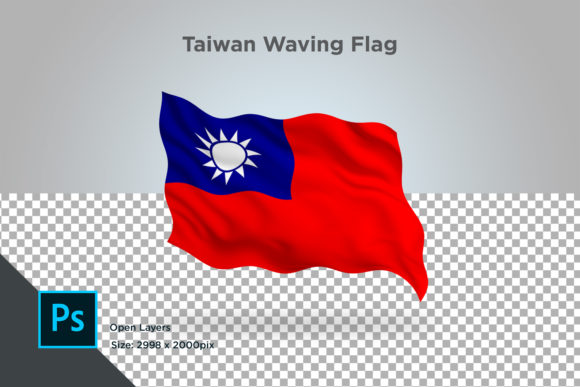
The Taiwan waving flag is a high-resolution digital illustration of the national flag of Taiwan in motion. Typically created in 3D environments with realistic textures and movement, these designs are often provided in layered formats like PSD, allowing for easy customization. The flag features a white background with a red cross dividing it into four equal parts and a blue square at the center containing a white sun with twelve rays. It's a powerful emblem of identity and culture, especially when presented in a dynamic format such as a waving banner.
Such illustrations are not only visually appealing but also serve multiple functional purposes in marketing, education, and creative projects. With dimensions of 2998 x 2000 px, they offer scalability and sharpness suitable for both print and digital platforms. Additionally, having each flag on its own layer with clear naming ensures that designers can easily manipulate or replace them without disrupting the overall composition.
Strategic Uses of the Taiwan Waving Flag in Professional Contexts
For entrepreneurs and marketers, the Taiwan waving flag can be a valuable asset in building brand awareness and fostering international appeal. Whether you're launching a product in the Asia-Pacific region or highlighting cultural diversity in your campaigns, incorporating this flag can resonate with audiences familiar with its symbolism.
- Brand Identity: Use the Taiwan waving flag to represent your company’s presence in or commitment to the region. It adds authenticity and can help establish trust with local partners or customers.
- Event Promotion: If you're organizing a conference, trade show, or cultural event that includes participants from Taiwan, including the flag in promotional materials helps with recognition and inclusivity.
- Content Creation: Bloggers, educators, and content creators can utilize the flag to illustrate topics related to geography, politics, or cultural studies with visual accuracy and engagement.
When combined with other official country flags, such as those of Japan, South Korea, or the United States, the Taiwan waving flag can become part of a broader visual narrative about global partnerships, regional dynamics, or geopolitical themes.
Planning Thoughtful Integration of the Taiwan Waving Flag
Before incorporating the Taiwan waving flag into any project, consider the following strategic points:
- Contextual Relevance: Ensure that the flag aligns with the theme and purpose of your design. Randomly adding it may confuse your audience or dilute your message.
- Cultural Sensitivity: Be mindful of the political and cultural implications associated with the flag. In some regions, its representation can be contentious, so always approach its inclusion with care and research.
- Design Harmony: Match the flag’s style and color palette with the rest of your visuals. A well-integrated flag enhances the design rather than distracts from it.
Smart object layers allow for non-destructive editing, which means you can resize, recolor, or reposition the flag without losing quality. This feature is particularly useful for freelancers and small business owners who need flexibility while maintaining professionalism in their output.
Use Cases for the Taiwan Waving Flag Illustration
Here are a few practical scenarios where the Taiwan waving flag might add value:
1. International Business Presentations
When pitching to stakeholders or presenting reports involving international markets, using the Taiwan waving flag alongside other official country flags can provide a visual anchor for data about market shares, collaborations, or trade agreements. For instance, if your presentation includes a section on supply chain diversification across East Asia, placing the flag in a waving position can subtly reinforce the idea of fluidity and connection.
2. Tourism and Cultural Campaigns
Travel agencies, bloggers, and tourism boards can leverage the Taiwan waving flag to evoke a sense of place and adventure. By isolating the flag on its own layer, you can animate it in web banners or social media posts, drawing attention to destinations in Taiwan or events celebrating its culture.
3. Educational Resources
Educators and publishers working on geography or history curricula can benefit from the realism and clarity of the 3D waving flag. Its inclusion in infographics, posters, or interactive learning modules can help students better understand the visual language of national symbols.
4. Corporate Branding and Localization
If your business operates in or plans to expand into Taiwan, integrating the flag into localized branding efforts can signal respect and familiarity. It could appear on landing pages, packaging, or employee training materials as a subtle nod to cultural alignment.
Risks of Using the Taiwan Waving Flag Without Strategy
While the Taiwan waving flag is a versatile design tool, its misuse can lead to unintended consequences. Adding it randomly to a collage of unrelated flags or using it without understanding the context may result in misinterpretation or even backlash from culturally aware audiences.
Consider the following risks:
- Political Missteps: Depending on the platform or audience, the flag might be perceived differently. Always verify the sensitivity of its usage before publishing.
- Distracted Visuals: Overusing animated or waving flags can overwhelm viewers and detract from the main message of your design.
- Inconsistent Messaging: If your goal is to represent neutrality or impartiality, the inclusion of any national flag — including the Taiwan waving flag — should be carefully considered to avoid bias perception.
To mitigate these risks, maintain a clear editorial or strategic guideline for when and how to use the flag. Ask yourself: What story am I trying to tell? Does this flag contribute to that story? Who is my audience, and what do they expect or understand?
How to Approach the Use of Official Country Flags in Design Projects
Whether you’re working with the Taiwan waving flag or other national emblems, thoughtful planning is essential. Here are key considerations:
- Define Your Objective: Are you promoting a product, explaining a geopolitical issue, or showcasing a diverse team? Clarify your goal before selecting any flags.
- Choose the Right Format: The PSD file with smart objects gives you full control over the flag’s placement and appearance. Use it to maintain consistency across different versions of your design.
- Layer Management: Well-organized layers ensure that each flag can be edited independently. This is especially helpful when combining multiple flags for comparative or collaborative visuals.
- Seek Feedback: Before finalizing your design, review it with colleagues or target users to ensure the flag is being used appropriately and effectively.
Additionally, if you find that the current bundle does not include the flags you need for your project, don’t hesitate to request additions. Customization options allow for more comprehensive and accurate representations of the countries involved.
Decision-Making Guidance for Effective Flag Usage
Using flags in design requires a balance between creativity and responsibility. To ensure that your use of the Taiwan waving flag supports your objectives:
- Align the flag’s positioning with the emotional tone of your project — for example, a waving flag might suggest openness or welcome, while a static one conveys formality.
- Test variations of the flag (waving vs. still) to see which resonates best with your audience.
- Pair the flag with relevant text or icons to clarify its purpose within the composition.
A strategic designer understands that every visual choice has an impact. The way you present the Taiwan waving flag — whether subtly in the corner of a brochure or prominently in a video intro — affects how your audience interprets your message. Choose wisely and consistently.
Long-Term Value of Incorporating Realistic Flag Assets
Investing in high-quality assets like the Taiwan waving flag offers long-term benefits for professionals in various fields. As global interactions increase, having access to accurate and adaptable flag illustrations becomes more important than ever.
Some long-term advantages include:
- Future-Proofing Designs: As your business grows or new markets emerge, you’ll already have a ready-to-use library of country flags that support evolving needs.
- Enhanced Professionalism: Clean, realistic flag assets reflect a higher standard of design work, which is critical for building credibility in marketing, publishing, or educational contexts.
- Improved Creativity: Having a variety of flags at your disposal encourages innovative layouts and presentations, helping you stand out in competitive industries.
By treating the Taiwan waving flag as a core component of your design toolkit, you can create more meaningful and effective visuals that align with your brand's mission and values.
Conclusion: Use the Taiwan Waving Flag with Purpose
The Taiwan waving flag is more than just an image; it's a symbol that can influence perception and engagement when used thoughtfully. As part of an official country flags collection, it provides a foundation for creating visually rich and contextually appropriate content. Whether you're designing for business, education, or personal projects, the flag can enhance your message — but only if it’s placed intentionally and aligned with your goals.
Remember, the most successful designs are those that combine technical excellence with strategic insight. The 3D waving flag of Taiwan, with its detailed rendering and editable smart object format, is a prime example of how modern design tools can support long-term success when leveraged correctly.