Angola Versus Aruba Two Flags: Strategic Use of Country Flag Illustrations in Design
The concept of Angola Versus Aruba Two Flags goes beyond a simple visual comparison. It represents a powerful design tool that allows professionals to leverage the symbolic and aesthetic value of official country flags in creative projects. When used thoughtfully, these flag illustrations can enhance branding, storytelling, and communication strategies across industries. This article explores how you can intentionally use the Angola versus Aruba Two Flags concept illustration—along with its layered format, high-resolution assets, and smart object features—to achieve better outcomes in your work.
Understanding the Angola Versus Aruba Two Flags Concept
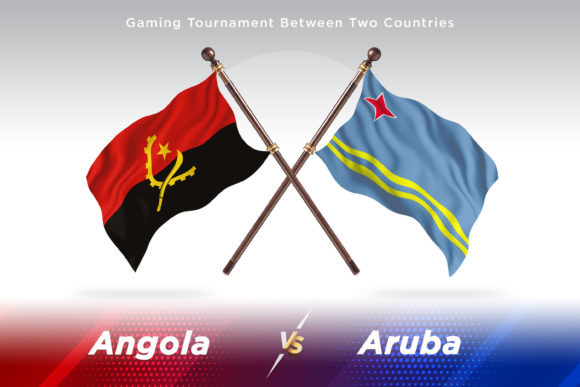
The Angola Versus Aruba Two Flags illustration is part of a broader collection of official country flags from around the world, presented in a 3D waving position on an isolated background. Each flag is placed on its own layer within the PSD file, making it easy to edit or reposition as needed. The inclusion of JPEG and PNG formats ensures compatibility with a wide range of design platforms and print or digital applications.
This particular illustration compares two distinct national identities: Angola, a nation rooted in African heritage and post-colonial resilience, and Aruba, a vibrant Caribbean island known for its tourism and Dutch influence. By isolating these flags in a clean, editable format, designers gain the flexibility to integrate them into various contexts—from marketing campaigns to educational materials—with precision and purpose.
Strategic Uses of Country Flag Illustrations
Country flags are more than just symbols; they carry deep cultural, historical, and emotional weight. Using the Angola versus Aruba Two Flags concept illustration strategically can help you:
- Build brand identity: Incorporate the flags into designs that reflect international collaboration, diversity, or multicultural themes.
- Enhance storytelling: Use the flags as visual anchors when discussing geopolitical topics, travel experiences, or comparative analyses between regions.
- Support market research presentations: Display the flags alongside data to represent target demographics or geographic focus areas.
- Create engaging infographics: Add visual interest and clarity by using the flags to differentiate between countries in charts, maps, or statistics.
Use Case: Marketing Campaigns Targeting Diverse Audiences
If you're launching a campaign targeting both African and Caribbean markets, placing the Angola and Aruba flags side-by-side can subtly signal inclusivity and regional relevance. For instance, a travel company promoting luxury destinations could use this illustration to highlight contrasting yet appealing locations. The smart objects feature allows you to customize colors, sizes, and placements without losing quality, ensuring your message resonates clearly and professionally.
Use Case: Educational and Cultural Projects
For educators and content creators working on geography, history, or cultural studies materials, the Angola versus Aruba Two Flags illustration provides an accurate and visually engaging way to compare nations. The well-organized layers make it easy to add annotations, labels, or additional graphics while maintaining design integrity. This not only improves learning outcomes but also adds a level of professionalism to your resources.
Planning Thoughtfully with Flag-Based Visuals
To get the most out of the Angola versus Aruba Two Flags illustration, consider the following planning tips:
- Define your goal: Before incorporating any flag illustration, ask yourself what you want to communicate. Is it about contrast, unity, or simply representation?
- Align with your audience: Understand who will see your design and whether the inclusion of these flags enhances their perception of your message.
- Ensure accuracy: Verify that the flags are correctly depicted and that their placement aligns with cultural respect and context.
- Optimize for clarity: Avoid overcrowding your design. Use the flags to support your narrative rather than distract from it.
Positioning Flags for Maximum Impact
One of the key strengths of this illustration is its 3D waving format. This dynamic positioning makes the flags feel alive and engaging, which is especially useful in motion graphics or web banners. To maximize impact, consider using the flags as focal points in layouts where visual movement draws attention to key messages or products.
When to Use the Angola Versus Aruba Two Flags Illustration
This resource is particularly valuable in scenarios where geographical or cultural distinctions matter. Here are some strategic moments to deploy it:
- International business reports: Highlight partnerships, trade agreements, or market expansions involving Angola and Aruba.
- Event promotions: If your event includes participants or themes from both countries, the flags can serve as a visual cue for global participation.
- Creative presentations: Use the flags to introduce case studies, success stories, or comparative insights in a visually compelling way.
- Brand localization efforts: Showcasing the flags can help audiences connect with localized versions of your product or service.
Design Tips for Effective Use
Because each flag is on its own layer, you have complete control over spacing, alignment, and visual hierarchy. Use these elements to create balance and guide the viewer's eye toward your primary message. Also, take advantage of smart objects to maintain scalability and consistency, especially if you plan to reuse the design across different platforms or resolutions.
Risks of Random Flag Usage
While the Angola versus Aruba Two Flags illustration offers great potential, there are risks associated with using such visuals without clear intent. These include:
- Misinterpretation: Flags can evoke strong emotions or political connotations depending on the context. Without proper framing, your message might be misunderstood.
- Distracted messaging: Overuse of flags or their improper placement may shift focus away from your core message, reducing effectiveness.
- Legal concerns: Ensure you have the rights to use the flags in commercial settings, especially if your project involves branding or advertising.
Always approach flag-based visuals with intentionality. Ask questions like, “Does this addition support my message?” or “Will this resonate with my audience?” before finalizing your design.
Long-Term Value and Creative Possibilities
The Angola versus Aruba Two Flags concept illustration isn’t just for one-time projects. Its layered structure and smart object integration allow for long-term use and adaptation. As your goals evolve, so can the way you use these flags. You can update color schemes, adjust positions, or even replace one flag with another from the same bundle, depending on your needs.
Consider building a library of similar flag illustrations for future reference. Having access to official flags from all over the world enables you to quickly adapt your designs for new markets, client requests, or emerging trends. This foresight supports efficient operations and enhances your ability to deliver timely, relevant content.
Example: Global Brand Positioning
A multinational corporation aiming to expand into both Africa and the Caribbean could use the Angola and Aruba flags in a presentation slide to demonstrate their commitment to regional growth. By isolating the flags and adding subtle animations or transitions, the company can reinforce its message of global reach and local engagement—all while maintaining a professional and polished look.
How to Approach Flag Integration with Purpose
Here’s a practical framework for integrating the Angola versus Aruba Two Flags illustration into your workflow:
- Assess relevance: Determine if the flags are essential to your design’s purpose. Are they central to the message, or just decorative?
- Match style and tone: Ensure the illustration’s aesthetic aligns with the rest of your design. Clean, minimalist styles often work best for professional contexts.
- Test variations: Try different compositions, such as horizontal vs. vertical arrangements, to find the most effective layout.
- Gather feedback: Present the design to a small group before finalizing. Their input can reveal whether the flags are enhancing or confusing the message.
By following this process, you ensure that your use of the Angola versus Aruba Two Flags concept is not only visually appealing but also strategically sound.
Conclusion: Leverage Flags with Clarity and Strategy
The Angola versus Aruba Two Flags concept illustration is a versatile asset when used with clear goals and thoughtful planning. Whether you’re a marketer, educator, designer, or entrepreneur, understanding how to position these flags effectively can elevate your work and improve audience engagement. With its high-resolution formats, layered structure, and smart object capabilities, this illustration supports a wide range of creative and operational needs.
Remember, the true power of the Angola versus Aruba Two Flags lies not in the image itself, but in how it serves your larger strategy. Always align it with your objectives, test its impact, and avoid using it as a shortcut to visual appeal. When done right, it becomes a meaningful component of your design toolkit.