Angola Versus Canada Two Flags: A Practical Guide to Using Country Flag Illustrations in Design Workflows
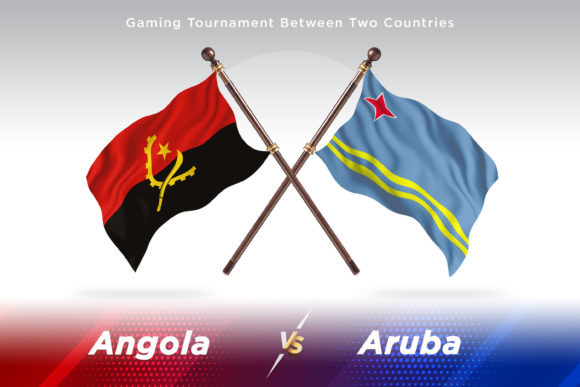
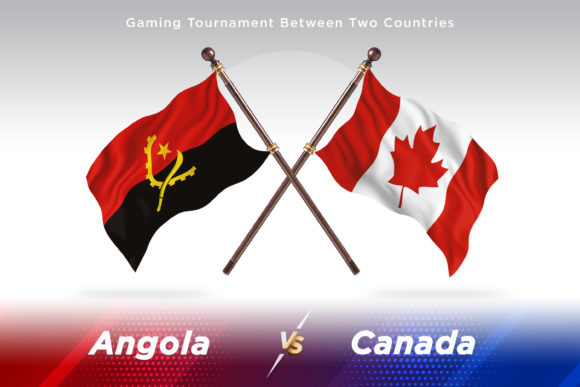
In the world of graphic design, visual storytelling, and content creation, having access to high-quality, editable assets is essential. One such asset that has gained popularity among professionals is the "Angola Versus Canada Two Flags" concept illustration. This design showcases the official country flags of Angola and Canada in a stylized 3D waving format, isolated on their own layers with clear labeling for easy editing. Whether you're creating presentations, marketing materials, educational resources, or digital content, this type of illustration can serve as a powerful visual tool.
Understanding the Angola Versus Canada Two Flags Concept
The Angola versus Canada Two Flags illustration is more than just a side-by-side image of two national flags; it's a carefully crafted design element that emphasizes comparison and contrast. The flags are presented in a dynamic, three-dimensional layout, often used to symbolize rivalry, partnership, cultural exchange, or geographic representation. Since both flags are officially recognized and rendered accurately, they can be used in professional contexts without concern about authenticity or quality.
This type of illustration typically includes:
- High-resolution formats: Such as PSD, JPEG, and PNG files suitable for print and digital use.
- Layered structure: Each flag is placed on its own layer, making it simple to modify, replace, or animate elements within the design.
- Smart object integration: For Photoshop users, smart objects allow non-destructive editing, ensuring scalability and flexibility during revisions.
When to Use Angola Versus Canada Two Flags in Your Workflow
Design illustrations like the Angola versus Canada Two Flags fit naturally into various stages of a creative or business workflow. Here’s how and when they can be leveraged effectively:
Before a Project Starts
During the planning phase, using these types of visuals can help establish a project's theme or message. For example, if you're preparing a presentation on international trade between Angola and Canada, adding a flag illustration early in your storyboard can reinforce the countries' roles and provide context for your audience.
Such assets also support concept development by offering a tangible reference point for discussions around branding, identity, or regional focus. They can be used in mood boards or pre-production mockups to visualize the direction of the final output.
During the Execution Phase
Once the design process begins, the layered nature of the Angola versus Canada Two Flags illustration becomes particularly useful. As each flag is on an individual layer, designers can easily adjust colors, add effects, or incorporate animations without affecting the other elements in the composition. This level of control ensures that the final design aligns precisely with the intended message and aesthetic.
If your workflow involves collaboration—such as working with copywriters, marketers, or clients—having a clean, well-organized file structure makes sharing and feedback much more efficient. You can send the PSD file with smart objects intact so others can make edits themselves, reducing back-and-forth communication and accelerating timelines.
After Completion
Post-production, these illustrations can be repurposed across different platforms. For instance, a single design might be adapted for social media posts, website banners, infographics, or even merchandise. The ability to export in multiple formats (JPEG, PNG) ensures compatibility with both web and print requirements, maintaining consistency across all outputs.
Additionally, storing these assets in a centralized resource library allows for future reuse. If another project requires a similar flag-based visual but with different countries, you can build upon the existing structure, saving time and effort while maintaining a cohesive design language.
Integration with Other Tools and Resources
These flag illustrations don’t exist in isolation—they work best when integrated with other tools and methods commonly used in design and content workflows. Here are some practical ways to combine them with your current processes:
- Adobe Creative Suite: Import the PSD file directly into Photoshop, Illustrator, or InDesign for advanced editing and composition. Smart objects allow for resizing and color adjustments without loss of quality.
- Project Management Platforms: Attach the illustration to task management systems like Trello, Asana, or Monday.com to visually represent milestones or objectives related to international partnerships.
- Website Builders and CMS: Use the JPEG or PNG versions in platforms like WordPress, Wix, or Squarespace for blog headers, landing pages, or infographic-style content.
- Marketing Campaigns: Incorporate the illustration into email templates, brochures, or social media graphics to highlight cross-border themes or product availability in specific regions.
Practical Tips for Implementation
To get the most out of the Angola versus Canada Two Flags illustration, consider the following tips based on real-world usage:
- Use Smart Objects: Always open the PSD file in Photoshop and edit via smart objects. This preserves the original resolution and makes scaling or adjusting colors easier without degrading the image quality.
- Label Layers Clearly: The illustration already comes with properly named layers, but feel free to rename or group them according to your specific project needs for better organization.
- Match Color Schemes: When using the flags in a larger design, ensure they complement the overall palette. Adjust opacity or add drop shadows to integrate them seamlessly into the background.
- Consider Cultural Context: Before publishing any material featuring national flags, especially in competitive or symbolic scenarios, confirm that the usage aligns with cultural norms and guidelines for flag representation.
Workflow Examples and Use Cases
Here are a few examples of how the Angola versus Canada Two Flags illustration could be applied in practice:
Example 1: International Business Presentation
You’re preparing a pitch deck for a new venture involving Angolan and Canadian stakeholders. By placing the two flags at the top of the slide, you immediately signal the global scope of the project. The flags can act as a recurring motif throughout the presentation, reinforcing the partnership theme with subtle visual cues.
Example 2: Educational Content Creation
A geography teacher wants to create an interactive lesson comparing the political landscapes of Angola and Canada. The illustration can be used as a base for annotation, with additional text layers added to explain key differences in governance, history, or culture. The layered structure makes it easy to toggle visibility for quizzes or step-by-step explanations.
Example 3: Branding and Identity Development
A company launching a joint initiative with partners from both nations uses the flag illustration as part of their brand launch campaign. It appears in promotional videos, posters, and even branded merchandise like t-shirts or mugs. The illustration's adaptability allows for consistent messaging across all touchpoints.
Factors to Consider for Long-Term Use
While the Angola versus Canada Two Flags illustration is a valuable asset, several factors should be considered to maximize its utility over time:
Preparation and Compatibility
Ensure that the file formats included in the bundle meet your platform requirements. The JPEG version is ideal for quick online use, while the PNG offers transparency options. The PSD file provides full customization but may not be compatible with all software unless you're using Adobe applications.
Usability and Organization
Organizing the layers in a logical way helps streamline future edits. If you plan to use the illustration repeatedly, consider saving custom variations (e.g., with different backgrounds or orientations) in a dedicated folder for easy retrieval.
Efficiency and Consistency
Using a standardized illustration template across projects improves efficiency and maintains a consistent visual language. For example, if you frequently compare countries in reports or articles, developing a set of flag-based templates can save significant time in the long run.
Quality Control and Scalability
Always review the illustration at actual size before finalizing a project. While the 4500 x 3000 px resolution is excellent for most uses, some applications—like large-format printing or ultra-high-definition video—may require additional checks or enhancements.
Customization and Expansion Possibilities
One of the strengths of the Angola versus Canada Two Flags illustration is its adaptability. If your project requires the inclusion of other flags beyond those provided, you can request additional ones to be incorporated into the same design style. This allows for seamless expansion of the illustration, maintaining uniformity in texture, lighting, and positioning.
For example, if you're comparing six African nations to six North American countries, you can extend the original layout by adding more flag layers using the same 3D waving style. This approach ensures that all visuals remain cohesive, even as the number of flags increases.
Conclusion
The Angola versus Canada Two Flags illustration is a versatile and practical asset for professionals who need to convey international comparisons in a clear and visually engaging manner. Its layered structure, smart object capabilities, and high-resolution output make it suitable for a wide range of applications—from business presentations to educational materials and beyond.
By understanding how to implement and customize this illustration effectively, you can enhance your workflow with minimal effort while maintaining a high standard of quality and clarity. Whether you're designing for print, web, or multimedia, integrating this type of visual into your process can elevate your message and streamline your production cycle.