Angola Versus Benin Two Flags: A Powerful Concept for Modern Designers and Marketers
In today’s fast-paced digital world, visual storytelling plays a crucial role in capturing attention and conveying messages effectively. One of the most compelling ways to do this is through the use of country flags — symbols that represent identity, culture, and national pride. The Angola Versus Benin Two Flags concept illustration has emerged as a dynamic tool for professionals who want to highlight contrasts or comparisons between these two African nations. This design not only showcases the official flags of Angola and Benin but does so with a modern 3D waving style, making it ideal for presentations, branding projects, educational materials, and marketing campaigns.
What Is the Angola Versus Benin Two Flags Concept?
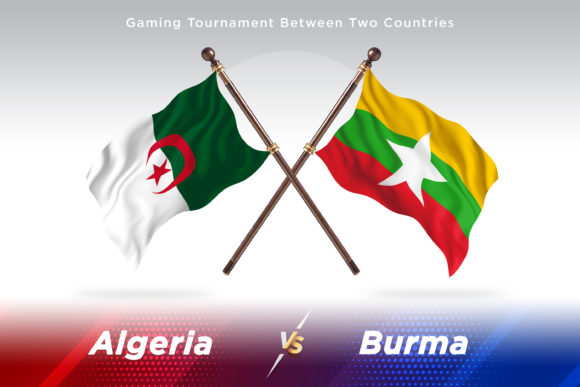
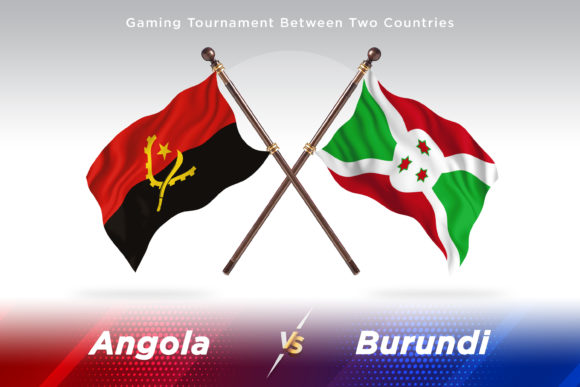
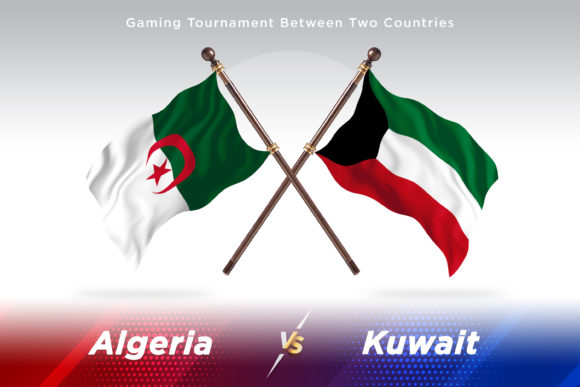
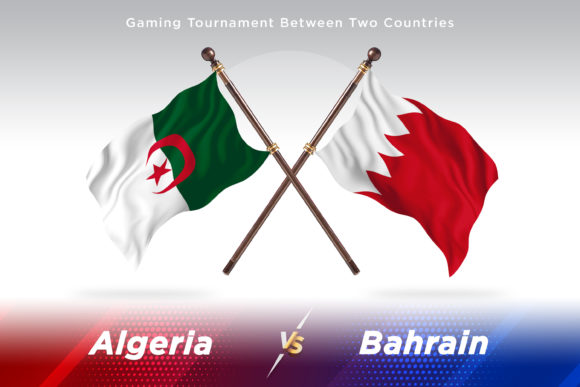
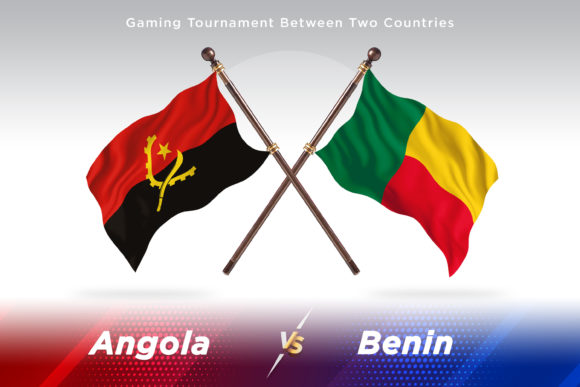
The Angola versus Benin Two Flags illustration is a visually striking representation where the national flags of both countries are displayed side by side in a waving format. These flags are rendered in high-resolution 3D and placed on separate layers within a single file, allowing for complete customization. Each flag is clearly labeled, ensuring clarity and professionalism in any project it's used for.
This concept is especially relevant for designers working on themes such as international relations, cultural diversity, economic development, or geopolitical analysis. It offers an easy way to communicate complex ideas through a simple yet powerful visual metaphor — two flags standing for two distinct identities in a shared space.
Why the Angola Versus Benin Two Flags Illustration Matters Now
As global awareness and appreciation for African cultures grow, so does the demand for accurate and respectful visual content that reflects this continent’s rich heritage and diversity. The Angola Versus Benin Two Flags illustration taps into this trend by providing a ready-to-use resource that highlights two unique yet neighboring nations. Whether you're creating content about regional cooperation, historical comparisons, or modernization efforts, this design helps tell your story with authenticity and impact.
Moreover, with the rise of remote work and virtual collaboration, many professionals rely on digital tools to present information clearly and professionally. The availability of this illustration in formats like PSD, JPEG, and PNG ensures compatibility across various platforms and workflows. Its smart object editing capability allows even those without advanced Photoshop skills to modify elements easily, saving time and effort while maintaining quality.
Key Features That Make This Design Stand Out
- High-Resolution File: The illustration comes in a 4500 x 3000 px size, suitable for both web and print media.
- Multiple File Formats: You get one PSD, one JPEG, and one PNG, giving you flexibility depending on your needs.
- Layered Structure: Each flag is isolated on its own layer, making it easy to adjust colors, positions, or add new flags if needed.
- Smart Object Editing: This feature lets you scale, recolor, or replace elements without losing image quality.
- Well-Organized Layers: The design is structured logically, which streamlines the editing process and makes it accessible for all skill levels.
These features make the Angola Versus Benin Two Flags concept more than just a static image — it’s a versatile foundation for creative exploration and professional communication.
How This Concept Fits Into Current Creative and Business Trends
Designers and marketers are increasingly looking for assets that reflect inclusivity and global perspectives. In this context, the Angola Versus Benin Two Flags illustration becomes a valuable addition to a designer’s toolkit. It can be used in infographics, promotional banners, social media posts, or even as a background for event invitations focused on international themes.
For educators and researchers, this illustration serves as a clear and engaging visual aid when discussing topics like post-colonial history, economic policies, or cultural evolution. By placing the flags in a 3D waving position, it adds a sense of movement and realism that traditional flat designs often lack.
Real-World Applications and Use Cases
Consider a marketing agency promoting a multinational corporation operating in both Angola and Benin. Using the Angola Versus Benin Two Flags concept illustration, they can quickly create a cohesive visual theme that symbolizes the company’s presence and commitment to both regions. The layered structure means each flag can be individually adjusted to match brand colors or incorporate additional elements like logos or text overlays.
Another example could involve a blogger or content creator producing a series on African economies. They might use this illustration as part of a header graphic or infographic to introduce a comparison piece between the two countries. The ability to edit via smart objects ensures that the design remains scalable and adaptable to different screen sizes and layouts.
Freelancers and entrepreneurs in the design industry benefit from having such a well-organized and customizable template. It reduces the need to start from scratch when clients request visuals involving multiple countries, helping them deliver results faster and more efficiently.
Evolving Needs and the Shift Toward Customizable Visuals
In recent years, there has been a noticeable shift toward customizable and modular design assets. Users no longer want generic templates; they seek tools that allow them to tailor visuals precisely to their message. The Angola Versus Benin Two Flags illustration meets this demand head-on. Its layered structure and smart object support mean you’re not limited to a fixed composition — instead, you can adapt the design to suit your specific narrative or aesthetic preferences.
This level of customization is particularly important when dealing with country flags, which must be presented accurately and respectfully. Many stock images or generic illustrations fail to meet this standard, either due to poor resolution or incorrect flag details. With this concept, users can rest assured they’re working with officially recognized flags and a clean, organized layout that supports precision and professionalism.
Adding More Flags: Expanding the Possibilities
If your project involves more than just Angola and Benin, the illustration also provides room for expansion. The note included with the asset encourages users to request additional flags, making it a flexible base for broader comparative studies or multi-national collaborations. This adaptability is key in today’s design landscape, where the need for personalized and inclusive content is ever-growing.
Imagine using this as a starting point for a larger collage featuring other African Union members, or perhaps highlighting bilateral agreements between several West African countries. The illustration can evolve with your vision, supporting both small-scale and large-scale creative projects.
Practical Implications for Professionals and Creators
From a practical standpoint, the Angola Versus Benin Two Flags concept illustration saves time and resources. Rather than commissioning a custom design or sourcing individual flag graphics, creators can use this pre-made, editable illustration as a foundation. This efficiency is essential in industries where turnaround times are short and client expectations are high.
For business owners and marketers, integrating such visuals into presentations or reports enhances credibility and engagement. When discussing partnerships, trade agreements, or cultural exchanges, showing the flags of involved countries in a well-designed, realistic format reinforces the importance and relevance of the topic at hand.
Best Practices for Using the Angola Versus Benin Two Flags Illustration
- Understand the Context: Before using the illustration, ensure you have a clear understanding of the relationship between Angola and Benin in the context of your project. This will help you frame the visual correctly.
- Respect Flag Protocols: Always verify the correct proportions, colors, and positioning of the flags to avoid misrepresentation. This illustration already follows official standards, but it’s good practice to double-check.
- Leverage Smart Objects: Take full advantage of the smart object functionality to maintain sharpness and consistency, especially when resizing or repositioning elements.
- Maintain Organized Layers: If you add new flags or elements, keep the layers well-structured to preserve the ease of future edits.
- Use in Diverse Projects: Don’t limit yourself to one use case. Experiment with how the illustration can fit into different types of content — from blog headers to infographic backgrounds.
Future-Proof Your Designs with Global Visual Assets
As the world continues to become more interconnected, the ability to create visuals that reflect this globalization is a competitive advantage. The Angola Versus Benin Two Flags illustration is a prime example of how designers can prepare for this shift. By incorporating real-world symbols like national flags into their work, they align with current trends and set themselves up for success in future projects that require international appeal.
Additionally, the growing emphasis on remote collaboration and digital-first content strategies means that having assets like this in your portfolio or client offerings is not just beneficial — it’s necessary. Whether you’re designing for a global audience or simply want to demonstrate your ability to handle international themes, this illustration is a strong, reliable choice.
Recommendations for Maximizing Impact
To get the most out of the Angola Versus Benin Two Flags concept, consider pairing it with complementary assets like maps, cultural icons, or demographic data visuals. This approach creates a more comprehensive narrative and engages viewers on multiple levels. For instance, a presentation on regional trade could include this illustration alongside charts showing import/export statistics and timelines of key diplomatic events.
Also, remember that the illustration works best when it supports the message rather than overshadowing it. Use it as a backdrop or accent rather than the main focus unless the flags themselves are central to your content. Keeping the balance right ensures your design remains informative and aesthetically pleasing.
Conclusion
The Angola Versus Benin Two Flags illustration is more than just a design element — it’s a bridge between continents, cultures, and conversations. As the demand for authentic, high-quality visual content grows, having access to such a well-crafted and adaptable illustration is invaluable. Whether you're a marketer, educator, entrepreneur, or creative professional, this asset empowers you to convey meaningful messages with clarity and confidence.
By embracing the Angola Versus Benin Two Flags concept, you're not just staying current with design trends — you're investing in a tool that supports evolving user expectations and global storytelling needs. As always, when in doubt or needing further customization, don’t hesitate to reach out for additional flags or modifications. The power of visual symbolism is limitless, and with the right tools, your creativity can follow suit.