Algeria Versus Kuwait Two Flags: A Powerful Design Concept for Modern Creatives
Understanding the Algeria Versus Kuwait Two Flags Concept
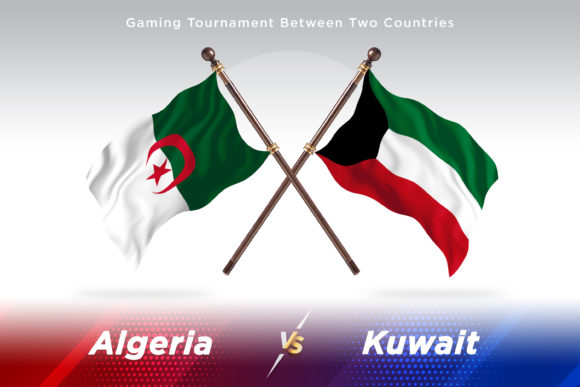
The Algeria Versus Kuwait Two Flags design concept has emerged as a compelling visual tool in the world of graphic design and branding. It represents a creative juxtaposition of two national flags — those of Algeria and Kuwait — typically presented in an illustrative format that highlights their distinct identities. This concept is often used to symbolize contrast, competition, or collaboration between these two countries, depending on the context of the project.
In practical terms, this illustration usually features the official country flags of Algeria and Kuwait rendered in high-resolution 3D waving positions, each isolated on its own layer within a digital file. This setup allows designers to manipulate the flags independently while maintaining the integrity of the original flag designs. The flexibility offered by such files makes them ideal for use in presentations, promotional materials, cultural comparisons, or even geopolitical analysis tools.
Broadening the Scope: Industry and Market Trends
As global markets become increasingly interconnected, the demand for visual assets that represent international relationships has grown significantly. Whether it's for marketing campaigns targeting Middle Eastern audiences, educational content about regional politics, or creative projects exploring cultural identity, the Algeria versus Kuwait Two Flags illustration meets a growing need across multiple industries.
Marketing professionals and entrepreneurs are leveraging such visual concepts to craft messages that resonate with diverse demographics. In sectors like travel, trade, and diplomacy, having access to accurate and adaptable flag illustrations can make all the difference in creating targeted and culturally relevant content.
Why This Concept Is Gaining Attention
The increasing focus on regional representation and cultural authenticity has led many creators to seek out design assets that go beyond generic stock images. The Algeria versus Kuwait Two Flags concept stands out because it offers both precision and adaptability. With each flag placed on a separate layer and provided in formats like PSD, JPEG, and PNG, designers can easily integrate these visuals into a wide range of projects without compromising quality or clarity.
Moreover, the ability to edit the design via smart objects ensures that users can customize the illustration to fit specific branding needs, whether it’s resizing, repositioning, or adding new elements. This level of control is particularly valuable for freelancers and agencies working on time-sensitive or high-stakes deliverables where accuracy and customization are paramount.
Changing Needs and Expectations in the Creative Space
Modern audiences expect more from the content they consume. They want it to be not only visually appealing but also meaningful and contextually rich. This shift in expectation has pushed creatives to explore new ways of representing ideas, especially when dealing with international themes.
For example, in political or economic reports, the Algeria versus Kuwait Two Flags illustration can serve as a quick yet powerful way to denote comparison or contrast between two nations. In web design or social media, it might be used to emphasize partnerships, cultural exchange, or even sporting events between Algerian and Kuwaiti teams.
Additionally, the rise of remote work and global collaboration means that more designers are working with clients and teams from different parts of the world. Having access to accurate, scalable, and customizable flag assets like the Algeria versus Kuwait Two Flags illustration helps bridge cultural and geographical gaps in communication and design.
Practical Applications and Real-World Use Cases
One of the most notable uses of the Algeria versus Kuwait Two Flags illustration is in international event branding. For instance, if a conference or exhibition is being held in North Africa and involves participants from the Gulf region, using this visual can help reinforce the theme of cross-cultural engagement.
Another common application is in educational materials. Teachers and content developers may use this illustration to discuss topics like history, geography, or international relations. By isolating each flag on its own layer, educators can annotate or highlight specific aspects of each country’s emblem, making the learning experience more interactive and engaging.
Freelance designers and entrepreneurs have also found value in this asset for logo creation, app icons, website headers, and print collateral. The high resolution (4500 x 3000 px) ensures that the image remains crisp and professional at any size, which is essential for print and digital use alike.
Key Features That Make This Illustration Stand Out
- High-Resolution Quality: The illustration is delivered in a large size of 4500 x 3000 pixels, suitable for both digital and print applications.
- Layered Structure: Each flag is on its own layer, allowing for easy editing and customization without affecting other elements of the design.
- Smart Object Support: Users can modify the flags directly through smart objects, preserving scalability and detail during edits.
- Multiple File Formats: Includes PSD, JPEG, and PNG files, providing flexibility for various platforms and workflows.
- Well-Organized Layers: Ensures a smooth user experience and reduces the time spent on managing complex design files.
Connecting to Larger Developments in Design and Technology
The trend toward modular and layered design assets is part of a larger movement in the creative industry toward efficiency and adaptability. As software like Adobe Photoshop continues to evolve, so do the expectations of designers who rely on these tools to produce work faster and with greater precision.
Designers today are looking for assets that don’t just look good but also work well within existing templates and frameworks. The Algeria versus Kuwait Two Flags illustration aligns perfectly with this need. Its structure supports seamless integration into other projects, saving time and effort in the long run.
Furthermore, as businesses expand their reach into emerging markets in North Africa and the Middle East, there is a growing need for culturally sensitive and regionally accurate design elements. This illustration serves as a reliable resource for professionals aiming to maintain authenticity in their visual storytelling.
Expanding the Palette: Customization and Flexibility
While the Algeria versus Kuwait Two Flags illustration includes the official flags of these two countries, its modular nature allows for easy expansion. If a designer needs to include additional flags or create a similar illustration for another pair of nations, the process can be streamlined by simply replacing the existing layers with new ones.
This opens up possibilities for creating a series of “versus” illustrations that can be used across different industries. For instance, a business report comparing economic policies might feature the Algeria versus Kuwait Two Flags alongside other flag-based visualizations to build a cohesive and informative presentation.
Conclusion: Embracing Global Representation in Design
The Algeria versus Kuwait Two Flags illustration is more than just a design element — it’s a reflection of our increasingly globalized world. As professionals continue to seek out resources that offer both artistic value and technical versatility, this kind of asset becomes indispensable. It enables creators to convey complex ideas with clarity, respect cultural nuances, and deliver high-quality results that meet modern standards.
Whether you're a marketer building a campaign, an entrepreneur designing a brand identity, or a freelancer working on a client’s project, having access to a well-structured, high-resolution illustration like Algeria versus Kuwait Two Flags can enhance your workflow and elevate your output. In a market that values speed, accuracy, and relevance, such tools are not just helpful — they’re essential.