Angola Versus Australia Two Flags: A Practical Comparison for Design and Representation Needs
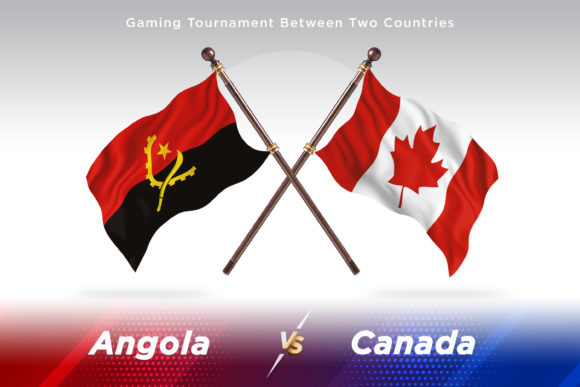
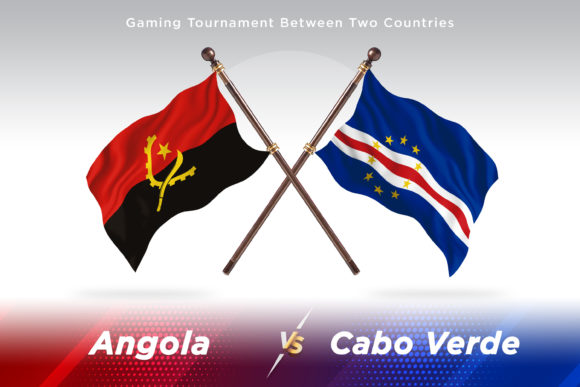
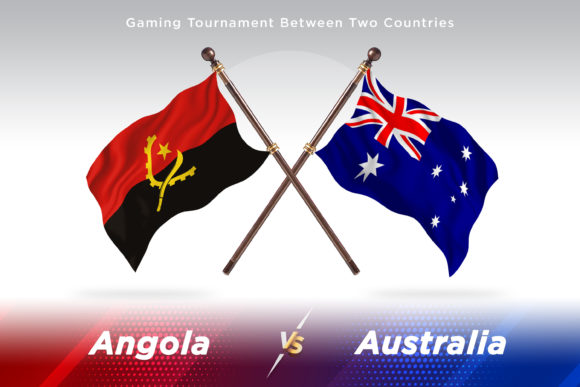
The concept of Angola versus Australia two flags has gained traction in various design and educational contexts, particularly when it comes to visual representation and symbolic comparison. This illustration typically features the official country flags of Angola and Australia, each isolated on its own layer and presented in a 3D waving format against an isolated background. These flags are often included in digital asset bundles such as PSD files, JPEGs, and PNGs, with smart object layers allowing for easy customization and editing.
Understanding the Angola Versus Australia Two Flags Concept
The Angola versus Australia two flags illustration is not just a graphic; it serves as a symbolic tool used across industries like marketing, education, and international relations. It allows users to visually compare or contrast these two distinct nations—Angola in Southern Africa and Australia in the Oceania region—by showcasing their national identities through flag representation. The design format ensures that both flags are clearly defined, making them suitable for presentations, infographics, or branding materials where geographical or cultural comparisons are necessary.
Each flag in the bundle is professionally rendered in high resolution (typically 4500 x 3000 px) and includes detailed layering in the PSD file. This organization makes it easier for designers to manipulate individual elements while maintaining the integrity of the overall composition. The inclusion of JPEG and PNG formats provides flexibility for those who may not need the layered file but still want a clean and scalable image.
What Makes This Illustration Unique?
One of the standout features of the Angola versus Australia two flags illustration is the attention to detail in how the flags are presented. Unlike generic stock images, this illustration uses officially recognized flag designs from the world's most accurate sources. For Angola, the flag consists of a red field with a yellow star at the center, symbolizing unity and progress. Australia’s flag, on the other hand, features the Union Jack in the canton, a large seven-pointed star representing states and territories, and a smaller star pattern known as the Southern Cross.
This distinction is crucial for professionals who require authentic and legally compliant flag usage. Whether you're creating content for a geopolitical report, a travel-related campaign, or a historical documentary, using correct flag representations adds credibility and professionalism to your work.
Strengths and Best-Fit Situations
The Angola versus Australia two flags concept offers several advantages:
- High Customization: With smart objects enabled, users can easily replace backgrounds or add text without compromising quality.
- Isolated Layers: Each flag is placed on its own layer, which simplifies editing and repositioning within the design space.
- Resolution and Quality: At 4500 x 3000 pixels, the illustration is ideal for print media, large-scale displays, and high-resolution digital use.
- Educational Value: The clear visual separation between the two flags helps in teaching about geography, culture, and political identity differences.
This type of illustration is best suited for scenarios where a direct visual comparison between countries is needed. For example, a designer working on a presentation contrasting economic policies might use this image to highlight the countries involved. Similarly, educators preparing slides on global diversity could benefit from the clarity and symbolism offered by these flags.
Tradeoffs and Limitations
While the Angola versus Australia two flags illustration is highly versatile, there are some considerations to keep in mind:
- Limited Scope: The illustration only includes these two flags. If your project requires additional flags from other countries, you may need to source them separately or request they be added to the bundle.
- Design Complexity: Though well-organized, the layered structure might be overwhelming for beginners unfamiliar with Photoshop or similar tools.
- Static Format: While the 3D waving effect enhances visual appeal, the illustration remains a static image rather than an animated one.
These limitations mean that while the illustration is excellent for side-by-side comparisons, it may not fulfill all needs for dynamic or multi-country projects. However, the option to request additional flags can help overcome this issue depending on the provider's terms.
Comparison with Other Flag-Based Visual Resources
There are multiple resources available online for country flag illustrations, but few match the level of detail and usability found in the Angola versus Australia two flags design. Generic flag collections often lack the structured layering and smart object functionality that make editing efficient. Others may offer lower resolutions, which can lead to pixelation when scaled up for professional use.
In contrast, the Angola versus Australia two flags illustration stands out due to its precision and adaptability. When compared to flat design versions of flags, the 3D waving style adds depth and realism, making it more engaging for viewers. Additionally, the presence of both JPEG and PNG options gives users the ability to choose between transparent and opaque backgrounds, depending on the application.
Use Cases and Realistic Examples
Here are some practical examples of how the Angola versus Australia two flags illustration can be applied:
- Marketing Campaigns: A company launching products in both African and Australian markets might use the illustration to represent their global reach in promotional materials.
- Academic Presentations: Educators can incorporate the flags into slides discussing topics like colonial history, trade agreements, or cultural exchanges between continents.
- Event Branding: International summits or conferences involving representatives from Angola and Australia could use the flags to create themed visuals that emphasize collaboration.
- Infographic Design: In data-driven storytelling, the flags can serve as icons to represent statistics or demographic information specific to each country.
In each of these cases, the illustration provides a clean and effective way to include national symbols without cluttering the design. Its versatility makes it suitable for both digital and print platforms, including websites, brochures, posters, and reports.
When to Choose Angola Versus Australia Two Flags
The Angola versus Australia two flags illustration is an ideal choice when:
- You need a high-quality visual to represent two specific countries in a comparative context.
- You value design flexibility and want the ability to edit or customize the image easily.
- Your audience benefits from clear, culturally accurate visuals that support understanding and engagement.
- You're working on a project that emphasizes geographic or diplomatic relationships between nations.
However, if your project involves a broader range of countries or requires motion graphics, you may need alternative solutions. Some designers opt for vector-based flag packs or animation tools that allow for movement and interaction. Still, for focused, two-nation comparisons, the Angola versus Australia two flags format is hard to beat in terms of clarity and ease of use.
Alternatives to Consider
Depending on your needs, there are other ways to represent flags in design work:
- Flag Packs: These often include dozens or hundreds of flags, though they may sacrifice the same level of detail and smart object integration.
- Animated Flag Templates: Ideal for video content, but may not suit static design requirements.
- Custom Illustrations: If neither Angola nor Australia is part of a standard flag collection, commissioning custom artwork ensures accuracy and originality.
- AI-Generated Assets: Can be cost-effective for quick turnaround, but may not always reflect official flag standards or provide editable layers.
Each of these alternatives has its place, but the Angola versus Australia two flags illustration remains a top choice for its balance of quality, accuracy, and usability.
Key Decision Factors
Choosing whether to use the Angola versus Australia two flags illustration should depend on several key factors:
- Purpose: Are you comparing countries for a report, designing for a global event, or creating educational content? The answer will influence whether this illustration fits your goals.
- Design Expertise: If you're comfortable with layered PSD files and smart objects, you’ll find the illustration very useful. Otherwise, consider requesting simplified versions or exploring user-friendly design tools.
- Resolution Requirements: The 4500 x 3000 px size is excellent for most applications, but verify if your output platform demands different dimensions.
- Additional Flags Needed: If your project expands beyond these two countries, ensure that you have the means to add new flags or ask for an expanded bundle.
By evaluating these points, you can determine whether the Angola versus Australia two flags illustration meets your current and future design needs.
Conclusion
The Angola versus Australia two flags illustration is a powerful visual resource for professionals and educators alike. Its combination of authenticity, clarity, and design flexibility sets it apart from many other flag-based assets. Whether you're crafting a presentation, developing brand content, or supporting academic material, this illustration offers a reliable and aesthetically pleasing solution.
As with any design element, it’s important to assess your specific requirements before committing to a resource. While the Angola versus Australia two flags format excels in targeted comparisons, it’s equally vital to explore other options if your needs extend beyond this scope. By doing so, you can ensure that your final product aligns with your goals and resonates effectively with your intended audience.