Angola Versus Bhutan Two Flags: A Unique Concept for Creative and Professional Use
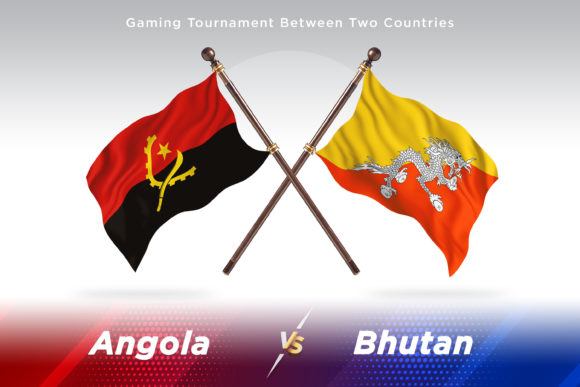
In the world of graphic design, illustration, and digital content creation, visual elements that capture attention while conveying meaning are essential. One such concept gaining traction is the Angola Versus Bhutan Two Flags illustration. This creative format juxtaposes the official flags of two distinct countries—Angola and Bhutan—on a shared canvas to explore themes like cultural identity, global comparison, and national symbolism in an engaging and artistic way.
The Angola Versus Bhutan Two Flags Illustration Explained
The Angola versus Bhutan Two Flags concept typically involves placing both country flags side by side or in dynamic positions, often within a 3D waving motion. Each flag is rendered with high fidelity, using its authentic colors and design specifications, ensuring accuracy and respect for national symbols. These illustrations are commonly used as background assets, promotional graphics, educational materials, or branding components where a clear visual representation of international contrasts is needed.
What makes this particular concept stand out is its flexibility and organization. The illustration is provided in multiple formats, including PSD (4500 x 3000 px), JPEG, and PNG, making it suitable for a wide range of platforms and applications. Moreover, each flag is placed on its own layer with the proper name, enabling designers to manipulate them independently with ease.
Why This Concept Is Relevant Today
As the digital landscape becomes more globalized, there's a growing demand for visuals that represent diverse cultures and nations. Whether you're creating content for international events, educational projects, or brand campaigns targeting multicultural audiences, the ability to visually compare and contrast different countries is invaluable. The Angola versus Bhutan Two Flags illustration meets this need by offering a clean, scalable, and editable asset that can be adapted to various contexts.
Professionals in marketing, education, and media often require assets that communicate complex ideas quickly. By showcasing the flags of Angola and Bhutan together, this illustration can serve as a powerful metaphor for diversity, collaboration, or even competition between regions, depending on how it's framed and utilized.
Evolution of Country Flag Comparisons in Design
In recent years, the use of country flags in design has evolved from static representations to dynamic, interactive, and layered concepts. Early designs simply included flags in their basic form, but today’s trends lean toward illustrating flags in motion, using 3D effects, and integrating them into broader thematic narratives.
This shift reflects changing user expectations and the rise of high-quality, customizable design tools. With the increasing availability of vector-based resources and smart object layers, professionals can now modify illustrations without compromising resolution or quality. The Angola versus Bhutan Two Flags illustration leverages these advancements, allowing users to edit via smart objects and reposition flags freely—all while maintaining clarity and professionalism.
Practical Applications for Designers and Marketers
- Brand Campaigns: Companies with global reach may use the Angola versus Bhutan Two Flags illustration to symbolize inclusivity or cross-cultural partnerships.
- Event Graphics: For international summits, sports events, or diplomatic meetings, this concept provides a ready-made visual for representing participating nations.
- Educational Content: Teachers and educators can incorporate the illustration into lessons about geography, politics, or history, helping students visualize comparisons between countries.
- Website Backgrounds: As an isolated 3D waving illustration, it works well as a subtle yet impactful background element for blogs, portfolios, or landing pages focused on global themes.
- Social Media Assets: The JPEG and PNG versions are ideal for quick uploads and edits across platforms like Instagram, Facebook, or LinkedIn.
Design Flexibility and Smart Object Integration
One of the standout features of the Angola versus Bhutan Two Flags illustration is the inclusion of a PSD file with smart objects enabled. This means that any text or logo embedded in the design can be edited without affecting the surrounding artwork. It’s particularly useful when customizing the illustration for specific brands, slogans, or event names.
Additionally, the well-organized layers allow for granular control over each flag. If your project requires adding more flags beyond Angola and Bhutan, the structure supports easy integration. Simply replace the existing flag layers or add new ones—this adaptability makes the resource highly reusable and efficient for large-scale projects.
How to Use This Resource Effectively
- Understand the Context: Before using the illustration, determine whether the "versus" theme should highlight contrast, unity, or another message. This will guide your choice of layout and color treatment.
- Edit via Smart Objects: Open the PSD file in Adobe Photoshop and make changes directly to smart objects. This preserves scalability and ensures your edits look sharp at any size.
- Maintain Layer Integrity: Keep the original layer naming intact if you plan to share the file with others. Clear labeling helps streamline collaboration and revisions.
- Export Appropriately: Depending on your platform, choose between JPEG for web speed or PNG for transparency. Always check the final output for clarity before publishing.
- Request Additional Flags: If your project needs other flags not included in the bundle, don’t hesitate to ask. Expanding the illustration with more flags can enhance storytelling and visual impact.
Current Trends Driving Interest in Flag-Based Visuals
The relevance of flag-based illustrations has grown alongside several modern design and communication trends:
- Globalization and Multiculturalism: Businesses and creators are increasingly aware of the importance of inclusivity. Visual assets that represent a variety of nations help build trust and relatability among international audiences.
- Minimalist Design: Clean, layered illustrations like the Angola versus Bhutan Two Flags fit seamlessly into minimalist aesthetics, where every visual element must serve a purpose.
- Interactive Content: As online engagement moves toward video and animation, having a high-resolution, layered flag illustration makes it easier to create moving or interactive content.
- Remote Collaboration: Well-organized PSD files support teams working across time zones and software environments. Everyone can access the same base file and work efficiently without confusion.
- Custom Branding: Many organizations want to tailor their messaging to local or regional markets. Being able to swap flags or adjust positioning gives greater control over localized campaigns.
Real-World Examples and Use Cases
Consider a travel blog promoting destinations in Africa and Asia. Using the Angola versus Bhutan Two Flags illustration could introduce a post comparing the natural beauty of both continents—Angola’s coastal landscapes against Bhutan’s mountainous terrain. The flags serve as subtle visual anchors that reinforce the geographic context without overwhelming the content.
Another example is a business-to-business presentation highlighting market opportunities in emerging economies. Here, the illustration could appear in a slide deck, contrasting the economic growth trajectories of Angola and Bhutan. The flags provide immediate recognition and help viewers associate the data with real-world locations.
For freelance designers, this type of illustration is a valuable addition to their portfolio. It demonstrates technical skill in handling layered assets and shows an understanding of cultural sensitivity and visual storytelling.
Technical Advantages of the Angola Versus Bhutan Two Flags Bundle
The Angola versus Bhutan Two Flags illustration is designed with efficiency and usability in mind. Its high-resolution dimensions (4500 x 3000 px) ensure crisp rendering even at large sizes, making it suitable for print and digital use alike. The inclusion of both JPEG and PNG formats adds versatility for different output requirements.
Smart object editing is especially beneficial for those who may not have advanced design skills. It allows for simple modifications like resizing, recoloring, or replacing logos without needing to redraw vector paths manually. This feature reduces production time and makes the illustration accessible to a broader audience of creatives.
Recommendations for Maximizing Value
- Use the illustration as a starting point for larger compositions, such as infographics or website headers.
- Combine it with other geopolitical or cultural assets to create a cohesive visual narrative.
- Repurpose the layered PSD for different projects by duplicating and adjusting the flag positions or backgrounds.
- Share the JPEG version on social media to spark discussions about international topics or cultural differences.
- Consider licensing additional flags or similar illustrations for consistent branding across a series of posts or presentations.
Conclusion
The Angola Versus Bhutan Two Flags illustration represents more than just a design tool—it’s a bridge between creativity and global awareness. In a time when visual storytelling plays a central role in communication, having access to accurate, organized, and adaptable flag illustrations is a significant advantage. Whether you’re a marketer crafting a campaign, an educator preparing a lesson, or a designer building a portfolio, this resource offers a practical solution for incorporating meaningful international visuals into your work.
By leveraging the strengths of layered design, smart objects, and high-resolution imaging, the Angola versus Bhutan Two Flags illustration aligns perfectly with current professional standards and creative workflows. As interest in global themes continues to grow, so too will the value of assets like this in delivering clear, compelling, and culturally informed messages to audiences around the world.