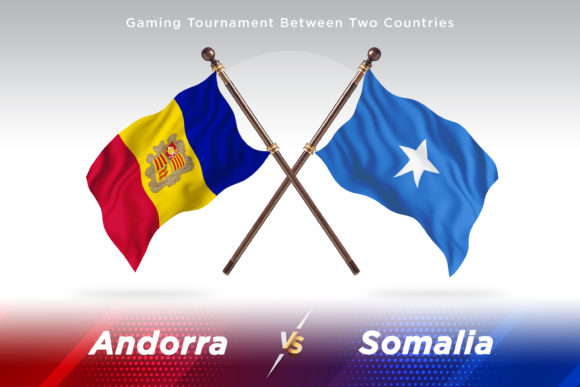
Andorra vs. Somalia Two Flags Design
The concept of "Andorra Versus Somalia Two Flags" offers a visually striking and symbolically rich illustration for designers, marketers, educators, and creative professionals. It presents two official country flags—those of Andorra and Somalia—in a 3D waving format, isolated on their own layers with clear labeling. This design is more than just an aesthetic choice; it’s a powerful visual metaphor that can be used to explore themes of contrast, comparison, and identity across various contexts.
What Is the "Andorra Versus Somalia Two Flags" Illustration?
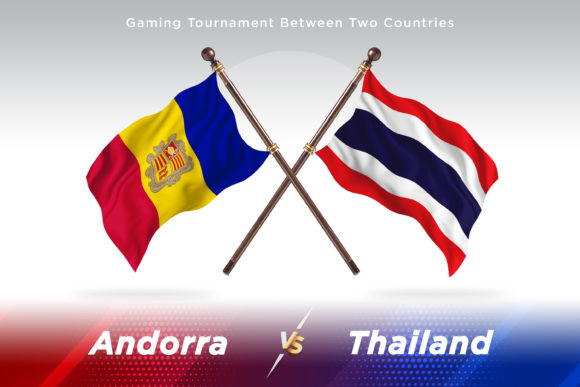
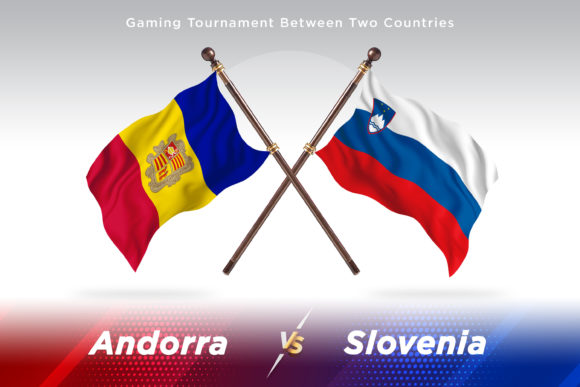
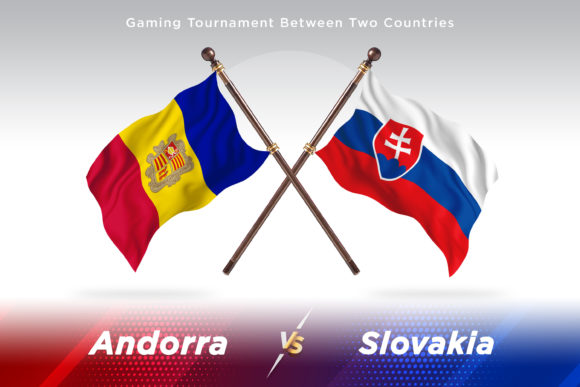
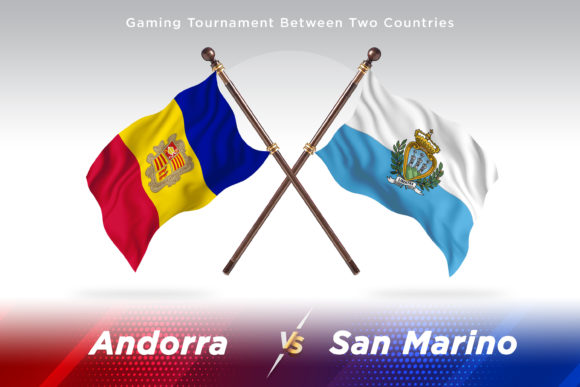
The "Andorra versus Somalia Two Flags" illustration is a high-resolution, layered graphic featuring the national flags of Andorra and Somalia in dynamic 3D wave positions. It's typically delivered as a PSD file (4500 x 3000 px) along with JPEG and PNG formats, making it versatile for both digital and print use. The smart object editing feature allows for easy customization while maintaining quality and clarity.
Each flag is placed on its own layer, enabling users to adjust colors, sizes, or positions independently. This level of organization ensures that the design remains clean and adaptable, whether you're creating a presentation, a website header, or an infographic. The flags are sourced from official country representations, so they reflect authentic symbols of national identity.
Why This Concept Matters
Combining two distinct flags in a single composition invites deeper exploration. While Andorra represents a small, mountainous European principality known for its neutrality and stability, Somalia is often associated with resilience and ongoing transformation in East Africa. Their juxtaposition isn’t about conflict but rather about curiosity—about what these flags represent and how they can be used creatively to tell stories, spark conversations, or highlight contrasts.
This illustration is particularly useful when you want to create a strong visual anchor for content that deals with geography, politics, cultural identity, or international relations. Whether you’re designing for a blog post, a social media campaign, or an educational module, the flags serve as a focal point that can be tailored to suit your message.
Exploring Creative Possibilities
Here are some ways to leverage the "Andorra versus Somalia Two Flags" concept in your work:
1. Comparative Presentations
Use the flags to introduce case studies or comparative analyses between countries. For example, a marketing team could compare economic strategies, while a geography teacher might discuss climate differences. The flags become visual shorthand for each nation, making complex topics more digestible.
2. Branding and Campaign Concepts
Entrepreneurs and marketers can adapt this design into campaigns focused on global citizenship, travel, or cross-cultural partnerships. Imagine using it in a promotional video about international trade or a brand initiative promoting unity through diversity.
3. Infographics and Data Visualization
When presenting statistics or data involving multiple countries, the flags add context and make the information more engaging. Use them in charts showing population growth, GDP comparisons, or environmental impact assessments.
4. Editorial Design and Blog Headers
For bloggers or publishers covering geopolitical topics, the flags can be used to frame articles or sections. They help set the tone and attract attention without overwhelming the reader. You could also animate the flags subtly for online platforms to enhance visual storytelling.
5. Educational Materials and Interactive Content
Teachers and educators can integrate the flags into lesson plans or interactive quizzes. Pairing them with short descriptions or facts makes learning more immersive and memorable. Think flashcards, timelines, or even augmented reality experiences where students explore the flags in motion.
6. Graphic Overlays for Social Media
Freelancers and small business owners can use the flags to create custom overlays for posts, especially those related to global events, competitions, or collaborative projects. The layered structure allows for seamless integration with other elements like text, logos, or icons.
Adapting the Design for Different Goals and Audiences
Depending on your audience and purpose, the illustration can be modified to better align with your needs. Here are some practical adaptations:
- Minimalist Style: Keep the background white and only show the flags with subtle shadows. Ideal for portfolios or branding materials where simplicity is key.
- Dynamic Motion: Add animation effects to the flags to simulate wind movement or interaction. Great for websites or explainer videos.
- Color Variants: Change the color scheme of the background or flags to match your brand palette. Smart objects make this process quick and non-destructive.
- Overlay Elements: Integrate maps, landmarks, or cultural symbols with the flags to enrich the narrative. This works well in infographics or editorial spreads.
- Text Integration: Place informative captions or taglines next to each flag. Use bold fonts for headlines and lighter ones for supporting details to maintain hierarchy and readability.
Realistic Examples of Usage
Let’s look at a few scenarios where the "Andorra versus Somalia Two Flags" illustration could shine:
Example 1: Travel Blog Header
A travel blogger planning a series on underrated destinations uses the flags as a header image. One side shows Andorra's peaceful, alpine setting, while the other hints at Somalia’s emerging cultural scene. The layout includes a brief intro: “Discover the beauty of two very different worlds.”
Example 2: International Business Report
A consulting firm creates a report on emerging markets and uses the flags to differentiate between stable and evolving economies. The flags are placed side by side with arrows pointing to key metrics, helping readers quickly grasp the contrast.
Example 3: Classroom Project
In a global studies class, students are asked to research one of the two countries and present their findings. The teacher provides the illustration as a base for slides, encouraging learners to add photos, quotes, and historical notes around each flag.
Best Practices for Using the Flags
To ensure your design is effective and professional, follow these tips:
- Keep it Clear: Avoid overcrowding the illustration. Let the flags speak for themselves and complement them with minimal, relevant text.
- Maintain Consistency: If you plan to use the flags across multiple platforms (e.g., website, social media, print), stick to the same style and positioning to build brand recognition.
- Respect Cultural Context: Research the symbolism behind each flag before using them. Understanding their meanings will help you avoid misinterpretation and create more thoughtful designs.
- Optimize for Platform: Choose the appropriate file format depending on where the design will appear. JPEGs are great for web use, while PNGs offer transparency for overlays. The PSD version gives you full control for print or detailed edits.
- Organize Layers Thoughtfully: Group similar elements together and rename layers clearly. This makes future edits easier and keeps your workflow efficient.
Expanding Your Collection
If you find yourself needing additional flags not included in the original bundle, don’t hesitate to request them. Expanding your collection can open up new opportunities for storytelling, such as comparing neighboring countries, highlighting regional alliances, or showcasing global diversity in a broader sense.
Having access to more flags means you can create variations like “Andorra vs. France,” “Somalia vs. Kenya,” or even a multi-flag collage representing a continent. Each addition enhances your ability to craft compelling visuals that resonate with specific audiences.
Conclusion
The "Andorra versus Somalia Two Flags" illustration is more than just a graphic—it’s a canvas for creativity and communication. Its structured design, combined with the symbolic power of national flags, makes it a valuable asset for a wide range of projects. By understanding its potential and adapting it thoughtfully, you can turn a simple visual into a meaningful representation of culture, contrast, and connection.
Whether you're a designer looking for a fresh layout idea, a marketer aiming to highlight international reach, or an educator crafting engaging lessons, this resource offers a foundation to build upon. Use it wisely, personalize it effectively, and let it inspire your next big project.