Andorra Versus Lebanon: A Visual Comparison Through Two Flags
The concept of national identity is deeply embedded in the symbols that represent countries, with flags serving as one of the most recognizable and meaningful emblems. When examining the Andorra Versus Lebanon Two Flags illustration, we are presented with a unique opportunity to explore how these two distinct nations express their heritage, culture, and values through their official banners. This article delves into the visual characteristics, historical significance, and practical applications of this flag comparison concept.
Understanding the Flags of Andorra and Lebanon
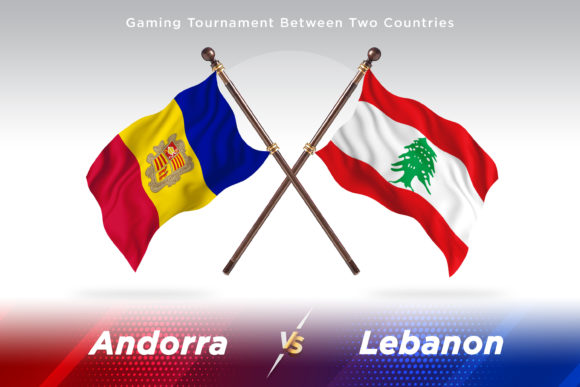
Before diving into the visual illustration, it's essential to understand the individual flags of Andorra and Lebanon. The Flag of Andorra, also known as the "Cotxet," features three horizontal stripes—blue, yellow, and red—with the national coat of arms centered on the yellow stripe. These colors are drawn from both the French and Spanish traditions due to Andorra’s unique geopolitical history as a co-principality between France and Spain.
In contrast, the Flag of Lebanon consists of three vertical stripes—red, white, and green—with a cedar tree emblem at the center. The cedar symbolizes the country’s ancient legacy and resilience, while the colors reflect religious harmony and unity among its diverse population.
Design Elements and Symbolism
- Andorra’s Flag: The blue represents the sky and peace, yellow signifies prosperity and sunlight, and red stands for bravery and sacrifice. The central coat of arms reflects sovereignty and the dual protection by the Bishop of Urgell and the President of France.
- Lebanon’s Flag: Red honors the blood shed during the country’s wars, white represents purity and peace, and green is associated with the land and growth. The cedar tree is a powerful national symbol, appearing on coins, seals, and other official documents.
This side-by-side presentation in the Andorra versus Lebanon Two Flags illustration allows viewers to appreciate the nuances of each design and the stories they tell about their respective nations.
Applications of the Two Flags Concept Illustration
The Two Flags concept illustration has broad applications across various industries and fields. Whether you're a designer, educator, or researcher, having access to high-resolution images of these flags can enhance your work significantly.
Graphic Design and Branding
For graphic designers, the ability to edit the flags via smart objects within a PSD file makes customization easy. You can place the flags in presentations, posters, or promotional materials to highlight cultural contrasts or international collaborations. For example, when designing a travel brochure that compares destinations in Europe and the Middle East, using the Andorra Versus Lebanon Two Flags illustration could serve as an engaging visual anchor.
Educational Use
Teachers and educators can use the illustration as part of geography or political science lessons. By displaying the flags of Andorra and Lebanon together, students can better grasp the differences in regional identities, government structures, and historical contexts. The well-organized layers allow for interactive learning experiences where elements can be toggled on and off to focus on specific aspects of the flags.
Business and Market Research
Professionals in market research or international business may find the Two Flags illustration useful for analyzing consumer behavior or cultural preferences in different regions. It can be used in reports to visually compare economic strategies or diplomatic relations between Andorra and Lebanon. The inclusion of multiple file formats like JPEG and PNG ensures compatibility with various platforms and software.
Technical Features of the Illustration
Creating professional content often requires flexibility and precision, which is why the Andorra versus Lebanon Two Flags bundle includes several key technical features:
- High Resolution (4500 x 3000 px): Ensures clarity and detail whether printed or displayed digitally.
- Multiple File Formats: Includes PSD, JPEG, and PNG files for ease of editing and use in different contexts.
- Smart Objects: Allows for non-destructive editing so you can modify colors, sizes, or positions without compromising image quality.
- Well-Organized Layers: Each flag is isolated on its own layer with clear naming conventions, making it simple to adjust or animate elements independently.
These features make the illustration not only visually appealing but also highly functional for professionals who require adaptability in their projects.
Comparative Analysis: Cultural and Political Contexts
While the flags themselves offer insight into the identity of each nation, the Andorra Versus Lebanon Two Flags concept goes deeper by facilitating a comparative analysis. This kind of illustration is particularly valuable when discussing topics such as:
- National Symbols: How different countries choose to represent themselves visually.
- Historical Backgrounds: The influence of past events on current flag designs.
- Political Structures: How symbolism reflects governance and alliances.
- Cultural Unity: The role of flags in fostering national pride and cohesion.
Andorra’s flag, for instance, tells a story of shared sovereignty and European heritage, while Lebanon’s flag highlights its rich history and natural resources. Comparing them side by side helps audiences see these narratives more clearly.
Use Cases in Comparative Studies
Researchers studying nationalism or international relations might use the Two Flags illustration to discuss the evolution of state symbols. Educators teaching about European and Middle Eastern politics could incorporate the design into slide decks to spark discussion about geopolitical influences on national imagery. Even hobbyists interested in vexillology—the study of flags—can benefit from the detailed composition and layered structure provided in the PSD file.
Customization and Flexibility
One of the standout advantages of the Andorra versus Lebanon Two Flags illustration is its adaptability. With smart objects enabled, users can easily change the position, scale, or even add additional flags if needed. This makes the illustration ideal for:
- Creating infographics that show global comparisons.
- Developing marketing campaigns that target multiple regions.
- Producing educational materials that evolve over time.
- Building presentations for international conferences or seminars.
Additionally, the 3D waving effect adds a dynamic element to static designs, helping to capture attention and convey movement. This is especially effective in digital media where engagement is crucial.
Why Choose This Illustration?
There are many reasons to consider using the Andorra Versus Lebanon Two Flags concept in your work:
- Visual Clarity: High-quality resolution and clean design ensure that the flags remain sharp and readable at any size.
- Professional Organization: The layered PSD file is structured for efficiency, allowing for quick edits and modifications.
- Global Relevance: The combination of two culturally significant flags offers a compelling subject for international discussions.
- Scalable Use: Whether for print or web, the included formats support seamless integration into a wide range of projects.
This illustration isn’t just a visual tool—it’s a bridge between cultures and a canvas for creative expression. Its thoughtful design empowers users to communicate complex ideas simply and effectively.
Expanding the Scope
If your project requires including other flags beyond those featured in the Two Flags bundle, the illustration is designed to accommodate additions. The modular nature of the layers means new flags can be imported and aligned with minimal effort. This scalability is invaluable for creators working on larger country comparisons or thematic collections.
Imagine expanding the illustration to include neighboring countries, forming a broader visual narrative about regional relationships. Or perhaps you want to create a timeline showing how the flags have evolved. The possibilities are vast, and the foundation provided by the Andorra versus Lebanon Two Flags concept supports all of them.
Real-World Examples of Usage
To demonstrate the practical value of the Two Flags illustration, here are some real-world examples of how it could be applied:
- Travel Agencies: Displaying the flags of Andorra and Lebanon in brochures or websites to help customers identify the countries they’re interested in visiting.
- News Media: Using the illustration in articles or documentaries that cover bilateral relations, trade agreements, or cultural exchanges between the two nations.
- Event Designers: Incorporating the flags into event backdrops for international summits or cultural festivals involving participants from both countries.
- Academic Presentations: Including the illustration in slides to provide a visual aid for lectures on geopolitics, cultural studies, or economics.
Each of these scenarios benefits from the illustration’s clarity, professionalism, and adaptability. The ability to toggle layers on and off gives presenters control over what information is emphasized at any given moment.
Designing with Purpose
When creating content with the Andorra Versus Lebanon Two Flags illustration, it’s important to maintain a balance between aesthetics and accuracy. The illustration should support the message being conveyed rather than distract from it. For example, when using the flags in a report on tourism trends, the visual should complement the data without overshadowing it.
Moreover, the 3D waving style adds realism and context, helping to differentiate the flags in a way that flat illustrations cannot. This subtle animation-like quality enhances viewer engagement and reinforces the sense of motion and presence in the design.
Considerations for Effective Use
While the Two Flags illustration is versatile, there are a few considerations to keep in mind when incorporating it into your work:
- Contextual Relevance: Ensure that the comparison serves a clear purpose. Simply placing two flags next to each other may not be enough; provide background or explanation to justify the visual.
- Respect for National Symbols: Treat the flags with care and avoid any alterations that might misrepresent the countries or their people.
- Layer Management: Take advantage of the organized layers to maintain workflow efficiency and reduce the risk of errors during editing.
- File Compatibility: Use the appropriate format depending on your platform—JPEG for fast-loading web graphics, PNG for transparency needs, and PSD for detailed editing.
By following these guidelines, you can maximize the impact of the illustration while ensuring it remains respectful and accurate.
Enhancing Digital Content Creation
With the rise of digital storytelling and content creation, having access to ready-to-use assets like the Andorra versus Lebanon Two Flags illustration is more important than ever. Creators can integrate the flags into social media posts, website headers, and video backgrounds with ease. The layered structure of the PSD file also facilitates animation, allowing for the creation of engaging motion graphics that bring the flags to life.
Whether you’re building a brand that spans continents or producing educational content for global audiences, this illustration provides a strong foundation for visual communication.
Conclusion
The Andorra Versus Lebanon Two Flags illustration is more than just a visual comparison—it’s a gateway to understanding the deep-rooted histories and identities of two very different nations. Its technical features, combined with its symbolic depth, make it an invaluable asset for professionals and enthusiasts alike. From branding to education, this resource supports a wide array of uses while maintaining a high standard of quality and organization.