Algeria Versus South Korea Two Flags: A Creative Tool for Global Designers
In today’s digital-first world, visual content plays a pivotal role in capturing attention and conveying meaning. One such compelling design element that has gained traction among professionals is the Algeria Versus South Korea Two Flags concept illustration. This resource is not only visually striking but also highly functional for designers working across industries—from marketing and e-commerce to media and international branding. The Algeria versus South Korea Two Flags Versus concept allows users to compare or contrast these two nations using their official country flags, offering both symbolic and practical value.
Understanding the Algeria Versus South Korea Two Flags Concept
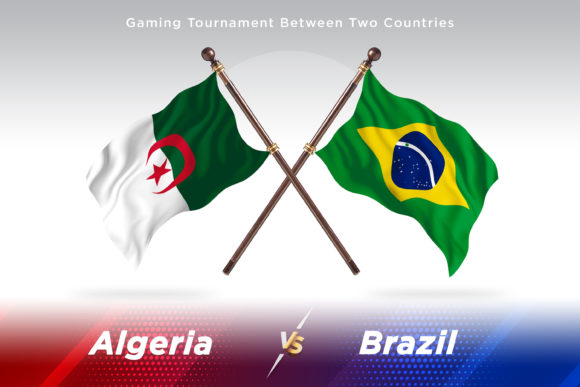
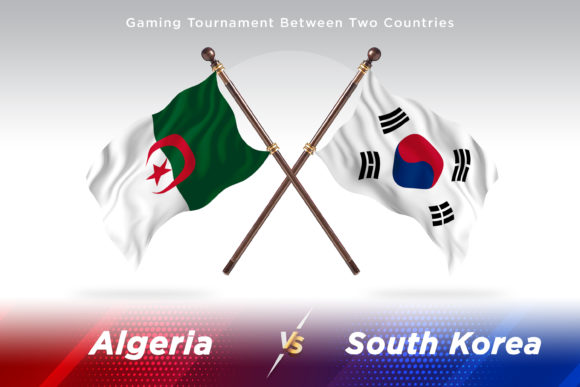
The Algeria Versus South Korea Two Flags illustration is a 3D design that showcases the national flags of Algeria and South Korea in a dynamic waving position on an isolated background. Each flag is placed on its own layer, making it easy to manipulate and customize within design software like Adobe Photoshop. The file comes with multiple formats including one PSD (4500 x 3000 px), one JPEG, and one PNG, ensuring compatibility and flexibility for different platforms and use cases.
What makes this design particularly useful is its smart object editing capability. Designers can easily modify the colors, sizes, or positions of the flags without losing quality, which is essential when creating high-resolution graphics for print or digital media. Additionally, the well-organized layers allow for seamless integration into existing projects, whether you're designing a presentation, infographic, or promotional material.
Why This Illustration Resonates with Modern Professionals
As global collaboration becomes increasingly common, the ability to visually represent cultural or geographical contrasts is more valuable than ever. The Algeria versus South Korea Two Flags illustration taps into this need by providing a clean, professional way to depict these two distinct nations side by side. For marketers and entrepreneurs, this tool is invaluable when targeting dual audiences or illustrating market comparisons in presentations or reports.
For example, consider a business analyzing trade relations between North Africa and East Asia. Using this illustration, they can create a visually engaging slide that highlights the countries involved while maintaining a minimalist aesthetic. Similarly, educators and researchers might use it in comparative studies, showcasing how different regions approach economic development, technology adoption, or cultural identity.
Globalization and Cultural Representation
The trend toward globalization has made it imperative for brands and creators to be culturally sensitive and inclusive. The Algeria Versus South Korea Two Flags illustration aligns perfectly with this movement by enabling accurate representation of two culturally rich and geographically diverse countries. With Algeria being the largest African nation and South Korea a leader in Asian innovation, the visual juxtaposition of their flags speaks volumes about the diversity of perspectives and markets available globally.
Digital Content Creation and Remote Work
As remote work and digital collaboration continue to rise, the demand for scalable and editable visual assets increases. Designers who may not have access to real-time physical resources benefit from tools like the Algeria versus South Korea Two Flags illustration, which allows them to produce polished visuals quickly and efficiently. The smart object feature ensures that even those with limited graphic design experience can make meaningful edits without compromising the integrity of the image.
Visual Storytelling in Marketing and Media
Visual storytelling is no longer optional—it's a necessity. Whether it's for social media campaigns, news articles, or brand storytelling, having a clear and impactful visual can enhance engagement and comprehension. The Two Flags illustration serves as a powerful metaphor for competition, comparison, or coexistence, depending on the narrative being told. Its neutral, isolated background keeps the focus on the flags themselves, allowing the message to remain clear and uncluttered.
Relevance in Changing Workflows and Expectations
Modern professionals are often required to deliver results faster and with higher quality. Tools like the Algeria versus South Korea Two Flags concept illustration meet this evolving need by streamlining the creative process. Instead of manually sourcing and positioning flags, designers can use this pre-made asset to save time while still achieving a professional look.
Moreover, clients and stakeholders now expect designs that reflect authenticity and accuracy. By using Official Country Flags, this illustration ensures that representations are legally compliant and culturally respectful. Inaccurate flag usage can lead to misunderstandings or reputational damage, especially in international settings. This resource helps avoid such pitfalls by providing verified and correctly proportioned flags.
Practical Applications Across Industries
- Marketing: Use the Algeria versus South Korea Two Flags in campaign materials to highlight regional product launches or cross-market collaborations.
- Education: Incorporate the illustration into geography or political science lessons to teach students about flag symbolism and international relations.
- Technology: Showcase the flags in presentations discussing global tech partnerships, data localization laws, or software localization efforts.
- Entrepreneurship: Feature the Two Flags in pitch decks when seeking investment for ventures involving Algerian and Korean markets.
- Lifestyle & Travel: Use the flags in travel blogs or brochures to emphasize the differences between destinations, helping travelers understand what to expect.
Connecting to Larger Developments
The growing interest in the Algeria Versus South Korea Two Flags illustration reflects a broader shift in how we visualize global relationships. As businesses expand beyond borders and consumers become more globally aware, the need for visual aids that accurately represent countries and cultures becomes more pressing. This design concept supports that need by offering a reliable, customizable, and aesthetically pleasing solution.
Furthermore, the increasing popularity of 3D illustrations and layered design files signals a move toward more interactive and adaptable content creation. Designers and developers are embracing these formats because they allow for greater creativity and responsiveness to client needs. The Two Flags illustration is part of this wave, offering a modern take on a traditional visual element.
Tech and Creative Advancements
With the rise of AI-driven design tools and collaborative workflows, there is a strong emphasis on modularity and reusability. The Algeria versus South Korea Two Flags concept fits into this ecosystem perfectly. It can be used as a base for further customization, integrated into animations, or adapted for various screen resolutions and print formats.
Designers who prioritize efficiency and quality will find this resource particularly appealing. The inclusion of multiple file types—PSD, JPEG, and PNG—ensures that it can be deployed in both editable and static contexts, catering to a wide range of applications.
Future Outlook and Strategic Value
As international cooperation and competition intensify, the strategic value of visual tools like the Algeria versus South Korea Two Flags illustration will only grow. These assets help bridge the gap between abstract concepts and tangible visuals, making complex ideas easier to grasp for diverse audiences.
Looking ahead, we can expect more designers and content creators to seek out similar resources that combine cultural relevance with technical adaptability. The ability to showcase flags in a dynamic, three-dimensional format gives these elements a new level of sophistication and realism, setting them apart from flat, generic stock images.
Expanding the Possibilities
While the current bundle includes the flags of Algeria and South Korea, the concept can easily be extended to other nations. If your project requires additional flags not present in the bundle, you can request them to build a comprehensive set tailored to your specific needs. This adaptability is crucial in an era where global awareness and representation matter more than ever.
Imagine a designer working on a project that compares emerging economies in Africa and Asia. By adding flags from Nigeria, Egypt, Japan, or India, they could create a visually cohesive and informative presentation. The modular nature of this illustration makes it a versatile foundation for expanding such narratives.
Final Thoughts
The Algeria Versus South Korea Two Flags concept illustration is more than just a design asset—it's a reflection of our increasingly interconnected world. By combining accuracy, adaptability, and aesthetics, it empowers professionals to communicate effectively in a global context. Whether you’re a marketer, educator, entrepreneur, or creative professional, this tool offers a unique way to incorporate meaningful visual elements into your work.
As the industry continues to evolve, the importance of thoughtful, high-quality design tools cannot be overstated. The Two Flags illustration exemplifies how modern resources can support both creativity and clarity, making it an essential addition to any designer’s toolkit.