Algeria Versus Peru Two Flags in Design and Conceptual Illustration
In the world of graphic design, illustration, and branding, visual elements often carry deep symbolic meaning. One such element is the use of country flags to represent identity, comparison, or cultural contrast. The Algeria Versus Peru Two Flags concept has emerged as a powerful tool for designers who want to create compelling illustrations that highlight differences between nations. This article explores how this visual representation fits into creative workflows, its practical applications, and tips for integrating it effectively into your projects.
What Is Algeria Versus Peru Two Flags?
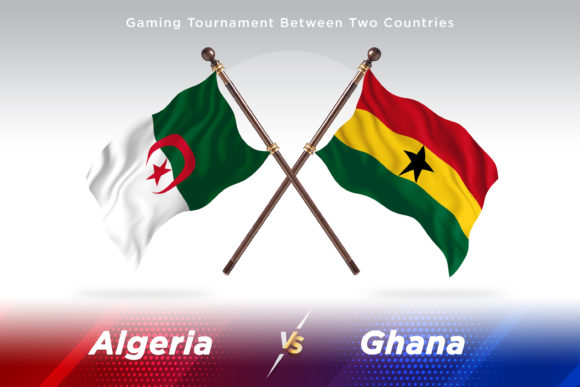
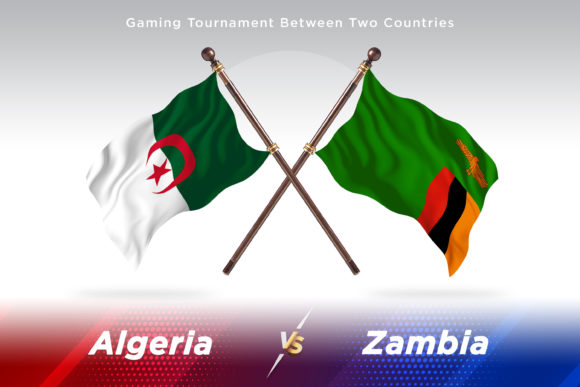
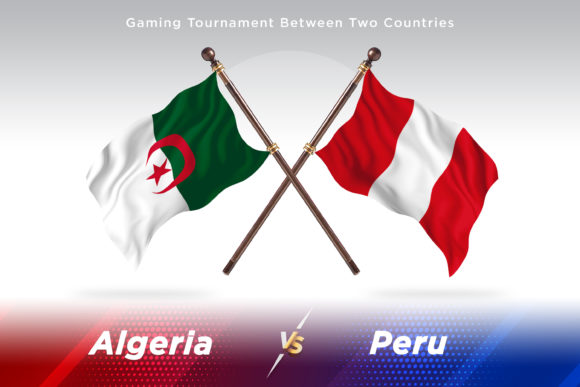
Algeria Versus Peru Two Flags refers to a conceptual illustration format where the national flags of Algeria and Peru are displayed side by side or in contrasting positions. These flags are typically rendered in high-quality 3D waving formats, isolated on their own layers, and presented with clear labeling. Such visuals are commonly used to emphasize geographical, political, or cultural distinctions in presentations, educational materials, marketing campaigns, and editorial content.
The illustration usually includes:
- High-resolution images (such as JPEG, PNG, and PSD files) for flexibility in editing and application.
- Well-organized layers to allow for easy customization, including smart objects for seamless modifications.
- Accurate representations of the official country flags, ensuring authenticity and compliance with design standards.
Where Does It Fit Into a Broader Workflow?
Flag-based illustrations like Algeria Versus Peru Two Flags can be valuable assets at various stages of a project. They may serve as visual anchors during the planning phase, aids in decision-making processes, or final outputs for storytelling and communication. Here’s how they integrate into different scenarios:
Before a Project Starts
During the initial brainstorming or research phase, these flag designs can help visualize the scope of a project. For instance, if you're creating a presentation about international trade agreements between North Africa and South America, using an Algeria Versus Peru Two Flags illustration could provide a quick reference point for both regions. It also helps in aligning stakeholders by offering a shared visual language.
During Execution
Once a project is underway, the illustration can be adapted to reflect current data or progress. In digital marketing campaigns comparing product adoption rates across countries, the flags can be layered over statistics or charts. Their presence adds context and makes information more digestible. With smart objects enabled in the PSD file, adjustments to color, size, or position can be made efficiently without compromising quality.
After Completion
Post-project, the illustration might be repurposed for reports, case studies, or promotional materials. If you've conducted market analysis in both countries, the flags can be used to summarize findings or showcase regional success stories. They can also serve as background imagery in infographics or website headers to reinforce the theme of global outreach or diversity.
Integration with Other Tools and Resources
To maximize the utility of Algeria Versus Peru Two Flags, consider how it interacts with other components of your workflow:
- Design Software Compatibility: The provided PSD file is optimized for Adobe Photoshop, making it ideal for professionals who need precise layer control. Those using Illustrator or other tools can convert the layers accordingly.
- Collaboration Platforms: Shareable formats like JPEG and PNG make it simple to include these visuals in collaborative environments such as Google Slides, Canva, or PowerPoint. Ensure all collaborators know the source and how to modify it without affecting clarity.
- Content Creation Ecosystems: When working with editors or content creators, the layered structure allows for easy integration into larger compositions. For example, adding text overlays, icons, or additional flags from a similar collection can enhance the message being conveyed.
It's also important to maintain consistency in style and resolution when combining this asset with others. Using the same art style or lighting conditions ensures the flags look natural within the overall design.
Practical Implementation Tips
Here are some actionable tips for incorporating Algeria Versus Peru Two Flags into your work:
- Use Smart Objects for Customization: Edit the flags easily by double-clicking the smart object in Photoshop. This is especially useful if you want to resize them or apply filters without distorting the original image.
- Layer Organization Matters: Take advantage of the well-structured layers to isolate each flag for individual styling or animation. Naming conventions should remain consistent if you plan to hand off the file to another designer.
- Consider Color Contrast: Since the two flags have distinct color schemes, ensure that the background complements both. A neutral or isolated white background is standard, but you can experiment with subtle gradients or textures if needed.
- Align with Project Goals: Whether you're highlighting competition, collaboration, or cultural diversity, tailor the positioning and presentation of the flags to match the narrative. For example, placing them in a mirrored layout can suggest balance, while overlapping might imply conflict or convergence.
Workflow Examples
Let’s explore a few real-world examples of how the Algeria Versus Peru Two Flags illustration can be implemented:
1. Comparative Market Analysis Report
A marketing team tasked with analyzing consumer behavior in both countries uses the flag illustration to introduce a section titled "Regional Preferences." Each flag represents a separate chapter or slide, helping the audience quickly associate visuals with geographic locations.
2. Educational Presentation on Geography
An educator creates a slideshow explaining the political landscapes of North Africa and South America. By inserting the Algeria Versus Peru Two Flags graphic, students can visually grasp the subject matter faster than with text alone.
3. Brand Launch Featuring Global Partnerships
A startup launching a product in both Algerian and Peruvian markets uses the flags as part of their brand collateral. They’re embedded in social media posts, press releases, and even packaging to signify inclusivity and international reach.
Factors to Consider for Effective Use
When using Algeria Versus Peru Two Flags in your work, keep the following factors in mind to ensure the best results:
Preparation
Plan ahead for the purpose of the illustration. Determine whether you need a static image or something editable for future use. Also, check if you’ll require additional flags beyond the ones provided — many designers offer extensions to their bundles upon request.
Compatibility
Ensure the file types (PSD, JPEG, PNG) you receive are compatible with your software stack. While most modern design platforms support these formats, verify if any specific features like transparency or layer styles are required for your project.
Usability
Think about how the illustration will be viewed. Will it appear on screen or print? What dimensions are necessary for optimal visibility? The 4500 x 3000 px resolution is excellent for large-scale prints and high-definition digital displays alike.
Organization
Keep your design files organized. Name folders clearly and back up versions after major edits. If you plan to reuse the illustration in multiple contexts, store it in a centralized design library for easy access.
Efficiency
Time is a critical factor in any workflow. Because the Algeria Versus Peru Two Flags illustration comes pre-isolated and structured, you can reduce hours of manual editing and focus on refining the message or layout.
Consistency
If you're using this illustration in a series or alongside other flag-based content, maintain a consistent visual style. Matching colors, fonts, and spacing can improve the perceived professionalism of your output.
Quality Control
Always review the final composition before publishing. Check for alignment issues, color accuracy, and file optimization. Poorly placed flags or incorrect proportions can distract rather than inform.
Long-Term Use
These illustrations can be reused across multiple projects. For long-term efficiency, save them in a reusable format and document any customizations made so that future users understand how to adapt them.
Adapting the Illustration for New Contexts
One of the strengths of the Algeria Versus Peru Two Flags concept is its adaptability. You can use it in a wide range of industries and purposes:
- Travel Industry: Compare travel destinations or cultural experiences between the two countries.
- Political Research: Analyze diplomatic relations or policy contrasts with a visual aid.
- Educational Materials: Teach geography, history, or languages using recognizable symbols.
- Business Presentations: Visualize market expansion strategies or regional performance metrics.
Additionally, since the illustration is modular, you can combine it with other assets like maps, population graphs, or economic indicators. This enhances the depth of your visual storytelling and supports complex data comparisons.
Enhancing Usability Through Layer Management
Effective layer management is key to getting the most out of the Algeria Versus Peru Two Flags illustration. Here’s how to approach it:
- Open the PSD file and review the naming of each layer. Most designers label the flags as “Algeria Flag” and “Peru Flag” for clarity.
- If you're adding text or logos, place them on new layers above the flags to avoid accidental merging or distortion.
- Group related layers together, such as background effects or text labels, to streamline navigation and prevent clutter.
- Use adjustment layers for non-destructive editing — especially for color correction or shadow effects.
This level of organization not only improves your efficiency but also makes the file easier to hand off to colleagues or clients who may need to tweak it later.
Real-World Outcomes and Observations
Many professionals have found that using flag-based illustrations like Algeria Versus Peru Two Flags significantly improves the clarity and engagement of their content. In one case, a freelance blogger discussing international culinary traditions used the illustration to compare dishes from both countries. The visual helped readers connect the food with its origins and increased time spent on the page.
Another observation is that the Algeria Versus Peru Two Flags concept works particularly well in split-screen layouts. Whether for video backgrounds, website banners, or infographic sections, the dual-flag setup provides a clean, balanced look that’s easy to interpret.
Conclusion
While the Algeria Versus Peru Two Flags illustration may seem like a small asset, its impact can be significant when used thoughtfully. From aiding in market research to enhancing educational content, this resource offers a blend of symbolism and functionality. By understanding its role in your workflow and leveraging its layered, customizable nature, you can create professional, meaningful visuals that resonate with your audience.